Bill Evans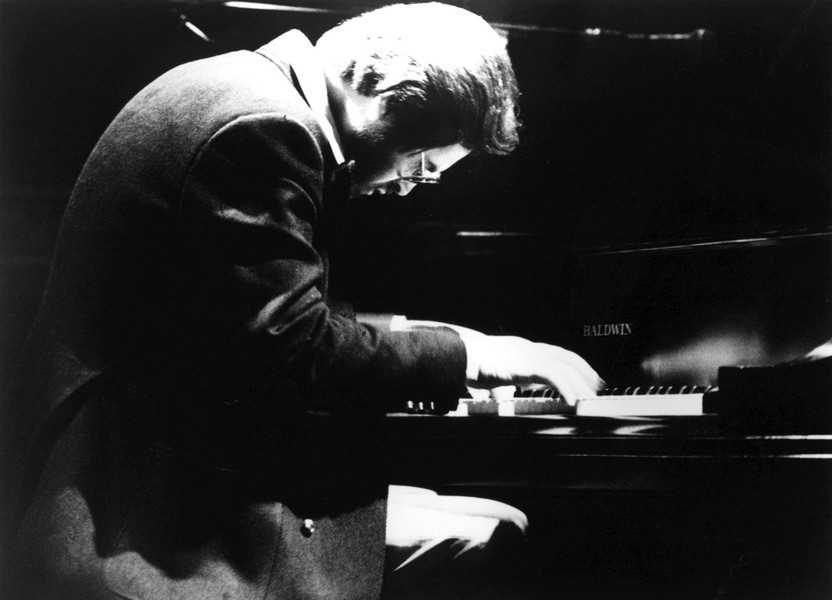 | ||
| Allmusic Biography : With the passage of time, Bill Evans has become an entire school unto himself for pianists and a singular mood unto himself for listeners. There is no more influential jazz-oriented pianist -- only McCoy Tyner exerts nearly as much pull among younger players and journeymen -- and Evans has left his mark on such noted players as Herbie Hancock, Keith Jarrett, Chick Corea, and Brad Mehldau. Borrowing heavily from the impressionism of Debussy and Ravel, Evans brought a new, introverted, relaxed, lyrical, European classical sensibility into jazz -- and that seems to have attracted a lot of young conservatory-trained pianists who follow his chord voicings to the letter in clubs and on stages everywhere. Indeed, classical pianists like Jean-Yves Thibaudet have recorded note-for-note transcriptions of Evans performances, bringing out the direct lineage with classical composers. In interviews, Evans often stressed that pianists should thoroughly learn technique and harmony so that they can put their inspiration to maximum use. Since he already had those tools in hand, he worked very hard on his touch, getting the special, refined tone that he wanted out of a piano. He also tried to democratize the role of the bassist and drummer in his succession of piano trios, encouraging greater contrapuntal interplay. Bespectacled, shy, soft-spoken, and vulnerable, Evans was not a good fit into the rough-and-tumble music business. In part to shield himself from the outside world, he turned to drugs -- first heroin, and later, cocaine -- which undoubtedly shortened his life. In interviews, though, he sounds thoroughly in control, completely aware of what he wanted from his art, and colleagues report that he displayed a wicked sense of humor. Nowadays, Evans seems to be immune from criticism, but there was a time when he was accused of not being able to swing, or pilloried for an "effete" approach to jazz that was alien to its African sources. However, there are plenty of Evans recordings which show that he could indeed flash the technique and swing as hard as anyone when he wanted to, especially early in his career. He simply chose a different path for himself, one entirely reflective of his inward personality -- and thats what seems to touch listeners inside and outside jazz the most. Indeed, the cult for Evans recordings is big enough to justify the existence of six large, expensive boxed sets of his output: four from Fantasys archives, one from Warner Bros., and the biggest one from Verve. A newcomer, though, would be better-advised to sample Evans in smaller doses. Since the bulk of his recordings were made with the same piano-bass-drums instrumentation, and his career was not marked by dramatic shifts in style, prolonged listening to hours upon hours of his trio recordings can lead to monotony (after all, you can even overdose on Bach, as great as he was). Born and raised in New Jersey, Evans was recruited for Southeastern Louisiana University on a flute scholarship, where he received a thorough background in theory, played in the marching band, and also led his football team to a league championship as a quarterback. Graduating as a piano major in 1950, he started to tour with the Herbie Fields band, but the draft soon beckoned, and Evans was placed in the Fifth Army Band near Chicago. After three years in the service, he arrived in New York in 1954, playing in Tony Scotts quartet and undertaking postgraduate studies at Mannes College, where he encountered composer George Russell and his modal jazz theories. By 1956, he had already recorded his first album as a leader for Riverside, New Jazz Conceptions, still enthralled by the bop style of Bud Powell but also unveiling what was to become his best-known composition, "Waltz for Debby," which he wrote while still in the Army. In spring 1958, Evans began an eight-month gig with the Miles Davis Sextet, where he exerted a powerful influence upon the willful yet ever-searching leader. Though Evans left the band that autumn, exhausted by pressured expectations and anxious to form his own group, he was deeply involved in the planning and execution of Davis epochal Kind of Blue album in 1959, contributing ideas about mood, structure, and modal improvisation, and collaborating on several of the compositions. Although the original release gave composition credit of "Blue in Green" to Davis, Evans claimed he wrote it entirely, based on two chords suggested by Davis (nowadays, they receive co-credit). In any case, Kind of Blue -- now the biggest-selling acoustic jazz album of all time -- contains perhaps the most moving performances of Evans life. Evans returned to the scene as a leader in December 1958 with the album Everybody Digs Bill Evans, which included the famous "Peace Piece," a haunting vamp for solo piano that sounds like a long-lost Satie Gymnopedie. Evans first working trio turned out to be his most celebrated, combining forces with the astounding young bassist Scott LaFaro and drummer Paul Motian in three-way telepathic trialogues. With this group, Evans became a star -- and there was even talk about a recording with Davis involving the entire trio. Sadly, only ten days after a landmark live session at the Village Vanguard in June 1961, LaFaro was killed in an auto accident -- and the shattered Evans went into seclusion for almost a year. He re-emerged the following spring with Chuck Israels as his bassist, and he would go on to record duets with guitarist Jim Hall and a swinging quintet session, Interplay, with Hall and trumpeter Freddie Hubbard. Upon signing with Verve in 1962, Evans was encouraged by producer Creed Taylor to continue to record in more varied formats: with Gary McFarlands big band, the full-orchestra arrangements of Claus Ogerman, co-star Stan Getz, a reunion with Hall. The most remarkable of these experiments was Conversations With Myself, a session where Evans overdubbed second and third piano parts onto the first; this eventually led to two sequels in that fashion. In his only concession to the emerging jazz-rock scene, Evans dabbled with the Rhodes electric piano in the 1970s but eventually tired of it, even though inventor Harold Rhodes had tailored the instrument to Evans specifications. Mostly, though, Evans would record a wealth of material with a series of trios. Through his working trios would pass such players as bassists LaFaro (1959-1961), Israels (1962-1965), Gary Peacock (1963), Teddy Kotick (1966), Eddie Gomez (1966-1977), and Marc Johnson (1978-1980); and drummers Motian (1959-1962), Larry Bunker (1962-1965), Arnold Wise (1966, 1968), Joe Hunt (1967), Philly Joe Jones (1967, 1977-1978), Jack DeJohnette (1968), John Dentz (1968), Marty Morell (1968-1975), Eliot Zigmund (1975-1977), and Joe La Barbera (1978-1980). After Verve, Evans would record for Columbia (1971-1972), Fantasy (1973-1977), and Warner Bros. (1977-1980). The final trio with Johnson and La Barbera has been considered the best since the LaFaro-Motian team -- Evans thought so himself -- and their brief time together has been exhaustively documented on CDs. Though Evans health was rapidly deteriorating, aggravated by cocaine addiction, the recordings from his last months display a renewed vitality. Even on The Last Waltz, recorded as late as a week before his death from a hemorrhaging ulcer and bronchial pneumonia, there is no audible hint of physical infirmity. After Evans death, a flood of unreleased recordings from commercial and private sources has elevated interest in this pianist to an insatiable level. | ||
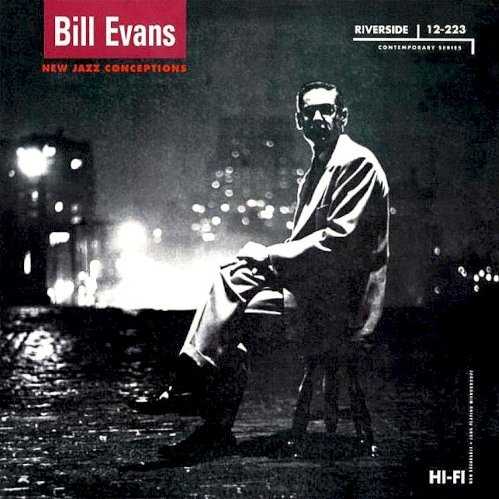 | Album: 1 of 43 Title: New Jazz Conceptions Released: 1956 Tracks: 12 Duration: 49:43 Scroll: Up Down Top Bottom 25% 50% 75% Spotify Allmusic Wikipedia AlbumCover | 1 I Love You (03:55) 2 Five (04:02) 3 I Got It Bad (and That Ain’t Good) (01:38) 4 Conception (04:46) 5 Easy Living (03:53) 6 Displacement (02:35) 7 Speak Low (05:09) 8 Waltz for Debby (01:19) 9 Our Delight (04:43) 10 My Romance (01:58) 11 No Cover, No Minimum (07:31) 12 No Cover, No Minimum (take 1) (08:08) |
| New Jazz Conceptions : Allmusic album Review : Bill Evans debut as a leader found the 27-year-old pianist already sounding much different than the usual Bud Powell-influenced keyboardists of the time. Even in 1956 (more than a year before he joined the Miles Davis Sextet), Evans had his own chord voicings and a lyrical yet swinging style. Three selections here are taken solo (including the original version of his classic "Waltz for Debby"), while the other eight are performed in a trio with bassist Teddy Kotick and drummer Paul Motian (including his future theme "Five," "Speak Low" and "No Cover, No Minimum"). A strong start to a significant career. | ||
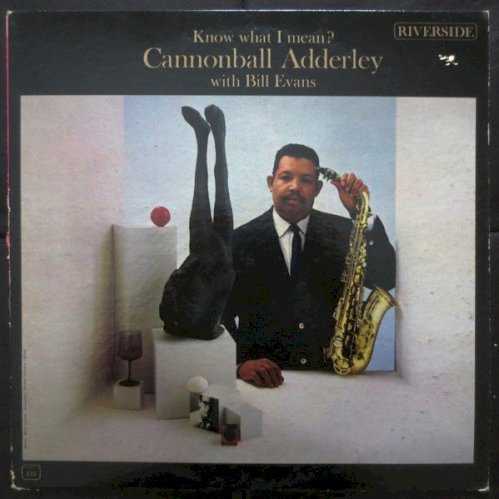 | Album: 2 of 43 Title: Know What I Mean? Released: 1961 Tracks: 10 Duration: 53:26 Scroll: Up Down Top Bottom 25% 50% 75% Spotify Allmusic Wikipedia AlbumCover | 1 Waltz for Debby (05:15) 2 Goodbye (06:16) 3 Who Cares? (take 5) (05:57) 4 Who Cares? (take 4) (05:56) 5 Venice (02:55) 6 Toy (05:09) 7 Elsa (05:52) 8 Nancy (with the Laughing Face) (04:08) 9 Know What I Mean? (re-take 7) (04:55) 10 Know What I Mean? (take 12) (07:01) |
| Know What I Mean? : Allmusic album Review : Whats better than a Bill Evans Trio album? How about a Bill Evans trio album on which the bassist is Percy Heath, the drummer is Connie Kay, and the leader is not Evans but alto sax god Cannonball Adderley, making the group actually a quartet? Its a different sort of ensemble, to be sure, and the musical results are marvelous. Adderleys playing on "Waltz for Debby" is both muscular and sensitive, as it is on the other Evans composition here, a modal ballad called "Know What I Mean?" Other treats include the sprightly "Toy" and two takes of the Gershwin classic "Who Cares?" The focus here is, of course, on Adderleys excellent post-bop stylings, but its also interesting to hear Evans playing with a rhythm section as staid and conservative as Kay and Heath (both charter members of the Modern Jazz Quartet). Its hard to imagine any fan of mainstream jazz not finding much to love on this very fine recording. | ||
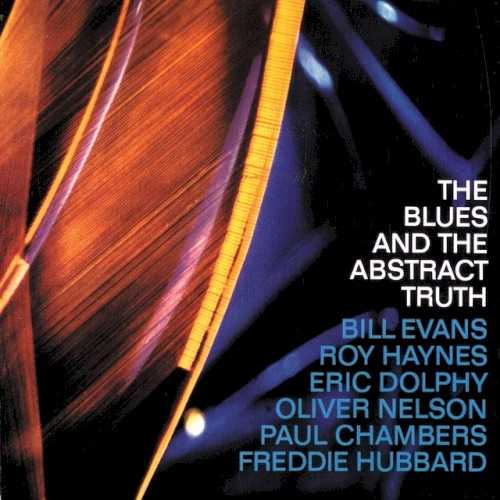 | Album: 3 of 43 Title: The Blues and the Abstract Truth Released: 1961 Tracks: 6 Duration: 36:35 Scroll: Up Down Top Bottom 25% 50% 75% Wikipedia Allmusic AlbumCover | 1 Stolen Moments (08:46) 2 Hoe-Down (04:43) 3 Cascades (05:31) 4 Yearnin (06:23) 5 Butch and Butch (04:36) 6 Teenies Blues (06:34) |
| The Blues and the Abstract Truth : Allmusic album Review : As Oliver Nelson is known primarily as a big band leader and arranger, he is lesser known as a saxophonist and organizer of small ensembles. Blues and the Abstract Truth is his triumph as a musician for the aspects of not only defining the sound of an era with his all-time classic "Stolen Moments," but on this recording, assembling one of the most potent modern jazz sextets ever. Lead trumpeter Freddie Hubbard is at his peak of performance, while alto saxophonists Nelson and Eric Dolphy (Nelson doubling on tenor) team to form an unlikely union that was simmered to perfection. Bill Evans (piano), Paul Chambers (bass), and Roy Haynes (drums) can do no wrong as a rhythm section. "Stolen Moments" really needs no comments, as its undisputable beauty shines through in a three-part horn harmony fronting Hubbards lead melody. Its a thing of beauty that is more timeless as the years pass. The "Blues" aspect is best heard on "Yearnin," a stylish, swinging, and swaying downhearted piece that is a bluesy as Evans would ever be. Both "Blues" and "Abstract Truth" combine for the darker "Teenies Blues," a feature for Nelson and Dolphys alto saxes, Dolphy assertive in stepping forth with his distinctive, angular, dramatic, fractured, brittle voice that marks him a maverick. Then theres "Hoedown," which has always been the black sheep of this collection with its country flavor and stereo separated upper and lower horn in snappy call-and-response barking. As surging and searing hard boppers respectively, "Cascades" and "Butch & Butch" again remind you of the era of the early 60s when this music was king, and why Hubbard was so revered as a young master of the idiom. A must buy for all jazz fans, and a Top Ten or Top Fifty favorite for many. | ||
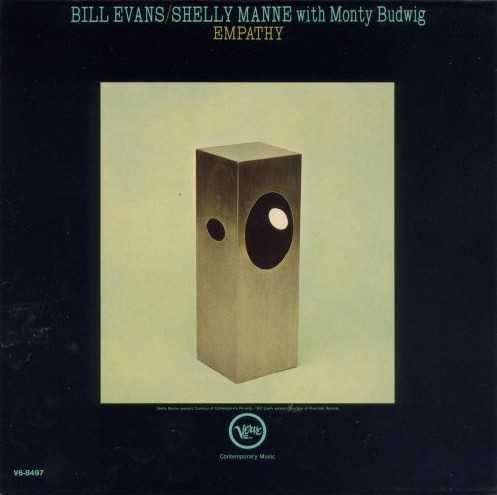 | Album: 4 of 43 Title: Empathy Released: 1962 Tracks: 6 Duration: 35:03 Scroll: Up Down Top Bottom 25% 50% 75% Spotify Allmusic Wikipedia AlbumCover | 1 The Washington Twist (06:29) 2 Danny Boy (03:43) 3 Let’s Go Back to the Waltz (04:33) 4 With a Song in My Heart (09:13) 5 Goodbye (05:11) 6 I Believe in You (05:54) |
| Empathy : Allmusic album Review : This album came about through a fortuitous convergence of circumstances. Shelly Manne & His Men were appearing at New Yorks Village Vanguard, sharing the bill with the Bill Evans Trio. Getting Riversides permission to let the pianist participate, Creed Taylor set up a session at Rudy Van Gelders studio with Evans and Manne sharing top billing. Mannes bass player, Monty Budwig, made up the trio. This was a busmans holiday for Evans, who was freed from the musical parameters he had set for his then-current trio. The result is that his playing seemed lighter, freer, and more relaxed than it had for a while. The album kicks off with a jaunty version of Irving Berlins "The Washington Twist" from the unsuccessful Mr. President, with Budwig sharing the honors with Evans as much as Manne. Manne spends most of his time driving Evans into more diminished and sharper playing than was usually Evans wont. Another relatively unfamiliar Berlin work, "Lets Go Back to the Waltz," gives full reign to Evans lyricism. The longest tune on the set is an audacious, almost lampooned version of "With a Song in My Heart" with light chordal phrasing that pretty much characterized much of the tone coming from this session. Listening to these three, its clear that everyone was having a good time and simply enjoying being relieved of their duties with their regular combos, even if for just one day. | ||
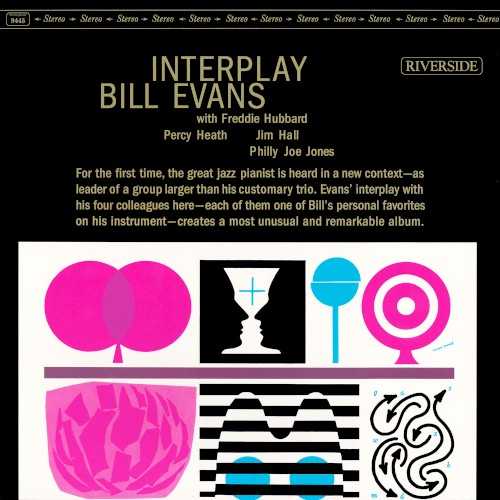 | Album: 5 of 43 Title: Interplay Released: 1962 Tracks: 7 Duration: 45:46 Scroll: Up Down Top Bottom 25% 50% 75% Spotify Allmusic Wikipedia AlbumCover | 1 You and the Night and the Music (07:04) 2 When You Wish Upon a Star (05:45) 3 Ill Never Smile Again (take 7) (06:32) 4 Ill Never Smile Again (alternate take 6) (06:38) 5 Interplay (08:14) 6 You Go to My Head (05:06) 7 Wrap Your Troubles in Dreams (and Dream Your Troubles Away) (06:24) |
| Interplay : Allmusic album Review : Interplay stands as some of Bill Evans most enigmatic and unusual music in makeup as well as execution. It was recorded in July 1962 with a very young Freddie Hubbard from the Jazz Messengers, guitarist Jim Hall, bassist Percy Heath, and drummer Philly Joe Jones performing five veteran standards. Evans has a more blues-based approach to playing: harder, edgier, and in full flow, fueled in no small part by Hall, who is at his very best here, swinging hard whether it be a ballad or an uptempo number. Hubbards playing, on the other hand, was never so restrained as it was here. Using a mute most of the time, his lyricism is revealed to jazz listeners for the first time -- with Art Blakey it was a blistering attack of hard bop aggression. On this program of standards, however, Hubbard slips into them quite naturally without the burden of history -- check his reading and improvisation on "When You Wish Upon a Star." Ironically, its on the sole original, the title track, where the band in all its restrained, swinging power can be best heard, though the rest is striking finger-popping hard bop jazz, with stellar crystalline beauty in the ballads. | ||
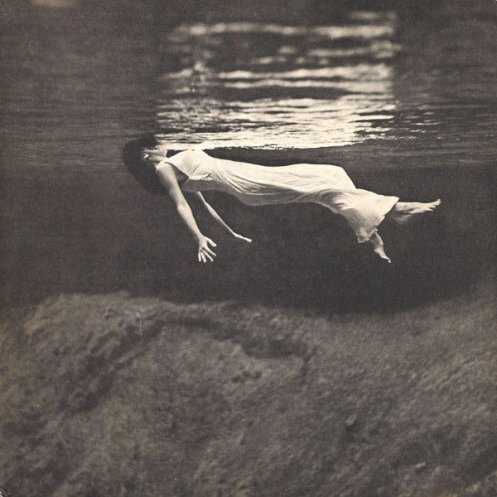 | Album: 6 of 43 Title: Undercurrent Released: 1962 Tracks: 6 Duration: 30:37 Scroll: Up Down Top Bottom 25% 50% 75% Spotify Allmusic Wikipedia AlbumCover | 1 My Funny Valentine (05:25) 2 I Hear a Rhapsody (04:40) 3 Dream Gypsy (04:35) 4 Romain (05:24) 5 Skating in Central Park (05:23) 6 Darn That Dream (05:08) |
| Undercurrent : Allmusic album Review : Other than four piano solos from April 4, 1962, this set was pianist Bill Evans first recordings after a hiatus caused by bassist Scott LaFaros tragic death in a car accident. The first of two meetings on record in a duo format with guitarist Jim Hall, the collaborations are often exquisite. Both Evans and Hall had introspective and harmonically advanced styles along with roots in hard-swinging bebop. There is more variety than expected on the fine set with some cookers, ballads, waltzes, and even some hints at classical music. Recommended. [Some reissues include four bonus tracks, including two alternate takes and previously unheard versions of "Stairway to the Stars" and "Im Getting Sentimental Over You."] | ||
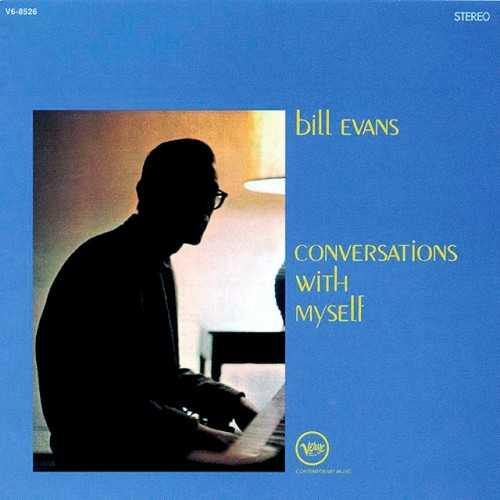 | Album: 7 of 43 Title: Conversations With Myself Released: 1963 Tracks: 10 Duration: 43:55 Scroll: Up Down Top Bottom 25% 50% 75% Spotify Allmusic Wikipedia AlbumCover | 1 Round Midnight (06:33) 2 How About You? (02:50) 3 Spartacus Love Theme (05:11) 4 Blue Monk (04:34) 5 Stella by Starlight (04:54) 6 Hey, There (04:30) 7 N.Y.C.s No Lark (05:35) 8 Just You, Just Me (02:37) 9 Bemsha Swing (02:58) 10 A Sleepin Bee (04:12) |
| Conversations With Myself : Allmusic album Review : A classic of its kind. For this Verve project, Conversations with Myself, Bill Evans recorded three piano parts via overdubbing. Aptly titled, the music on this LP has a surprising amount of spontaneity, with Evans constantly reacting to what he had just recorded, and the results are sometimes haunting. The highlights include "How About You," "The Love Theme from Spartacus," "Blue Monk," and "Just You, Just Me." | ||
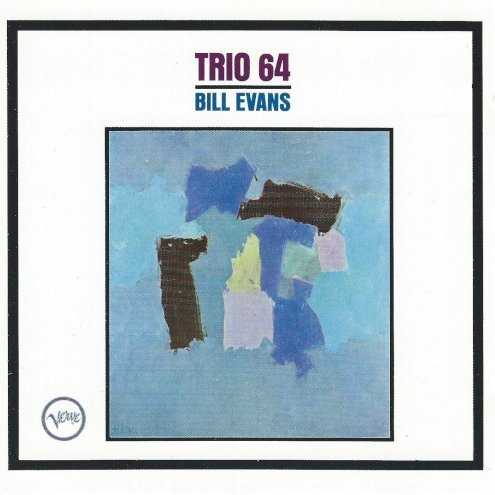 | Album: 8 of 43 Title: Trio 64 Released: 1964 Tracks: 8 Duration: 35:24 Scroll: Up Down Top Bottom 25% 50% 75% Spotify Allmusic Wikipedia AlbumCover | 1 Little Lulu (03:53) 2 A Sleeping Bee (05:29) 3 Always (04:02) 4 Santa Claus Is Coming to Town (04:24) 5 Ill See You Again (03:54) 6 For Heavens Sake (04:25) 7 Dancing in the Dark (04:35) 8 Everything Happens to Me (04:37) |
| Trio 64 : Allmusic album Review : Joining Bill Evans (piano) on Trio 64 -- his initial three-piece recording for Verve -- is the compact rhythm section of Gary Peacock (bass) and Paul Motian (drums). The effort spotlights their communal and intuitive musical discourse, hinging on an uncanny ability of the musicians to simultaneously hear and respond. All the more interesting, Evans had not interacted in this setting before, having most recently worked with Chuck Israels (bass) and Larry Bunker (drums). The personable opener, "Little Lulu," features the aggregate melodically molding individual and distinct sonic characteristics. Evans nimble and emphatic syncopation is not only ably supported, but framed by Peacocks expressive runs and Motians acute sense of timing. "A Sleeping Bee" is one of the collections most endearing selections as the groove playfully scintillates surrounding some hauntingly poignant chord changes. Evans bandies back and forth with Peacock, the latter likewise providing a stellar solo. "Always" captures a similar effervescence as the instrumentalists ebb and flow in synchronicity. Since the December 18 session was held the week before Christmas 1963, they fittingly tote out "Santa Claus Is Coming to Town," creating a minor masterpiece of post-bop from what could easily have started as a spontaneous seasonal suggestion. Noël Cowards "Ill See You Again" bears a brisk waltz persona, enabling the unit to fluently weave its offerings without obstructing the otherwise affective tune. Concluding Trio 64 is Rodgers & Harts standard "Everything Happens to Me," with an unhurried tempo lingering just long enough to embrace the familiar refrain. Evans sparkles, gliding around Peacocks full-bodied basslines and Motians solid yet restrained beat. | ||
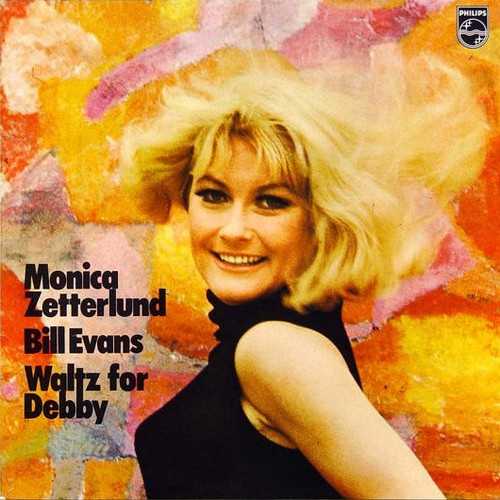 | Album: 9 of 43 Title: Waltz for Debby Released: 1964-12 Tracks: 10 Duration: 34:08 Scroll: Up Down Top Bottom 25% 50% 75% Allmusic AlbumCover | 1 Come Rain or Come Shine (04:40) 2 Jag vet en dejlig rosa (02:53) 3 Once Upon a Summertime (03:02) 4 So Long Big Time (03:48) 5 Monicas vals (02:48) 6 Lucky to Be Me (03:35) 7 Vindarna sucka uti skogarna (03:03) 8 It Could Happen to You (02:59) 9 Some Other Time (05:35) 10 Om natten (01:40) |
| Waltz for Debby : Allmusic album Review : Recorded at the Village Vanguard in 1961, shortly before Scott LaFaros death, Waltz for Debby is the second album issued from that historic session, and the final one from that legendary trio that also contained drummer Paul Motian. While the Sunday at the Village Vanguard album focused on material where LaFaro soloed prominently, this is far more a portrait of the trio on those dates. Evans chose the material here, and, possibly, in some unconscious way, revealed on these sessions -- and the two following LaFaros death (Moonbeams and How My Heart Sings!) -- a different side of his musical personality that had never been displayed on his earlier solo recordings or during his tenures with Miles Davis and George Russell: Evans was an intensely romantic player, flagrantly emotional, and that is revealed here in spades on tunes such as "My Foolish Heart" and "Detour Ahead." There is a kind of impressionistic construction to his harmonic architecture that plays off the middle registers and goes deeper into its sonances in order to set into motion numerous melodic fragments simultaneously. The rhythmic intensity that he displayed as a sideman is evident here in "Milestones," with its muscular shifting time signature and those large, flatted ninths with the right hand. The trios most impressive interplay is in "My Romance," after Evans opening moments introducing the changes. Here Motians brushwork is delicate, flighty and elegant, and LaFaro controls the dynamic of the tune with his light as a feather pizzicato work and makes Evans deeply emotional statements swing effortlessly. Of the many recordings Evans issued, the two Vanguard dates and Explorations are the ultimate expressions of his legendary trio. | ||
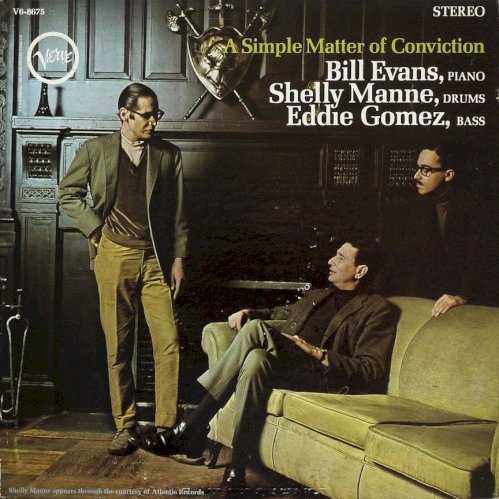 | Album: 10 of 43 Title: A Simple Matter of Conviction Released: 1966 Tracks: 9 Duration: 37:38 Scroll: Up Down Top Bottom 25% 50% 75% Spotify Allmusic Wikipedia AlbumCover | 1 A Simple Matter of Conviction (03:19) 2 Stella by Starlight (04:11) 3 Orbit (Unless It’s You) (03:42) 4 Laura (04:19) 5 My Melancholy Baby (05:15) 6 I’m Getting Sentimental Over You (04:12) 7 Star Eyes (04:58) 8 Only Child (04:04) 9 These Things Called Changes (03:35) |
| A Simple Matter of Conviction : Allmusic album Review : What separated this from the average good Bill Evans date was the inclusion of Shelly Manne on drums, who inventively pushed and took unexpected chances. This was, I believe, Eddie Gomez (bass) debut release with Evans (piano) and it was quite impressive. There were numerous takes at this session and judging from Chuck Briefers liners it might be interesting to hear them released. | ||
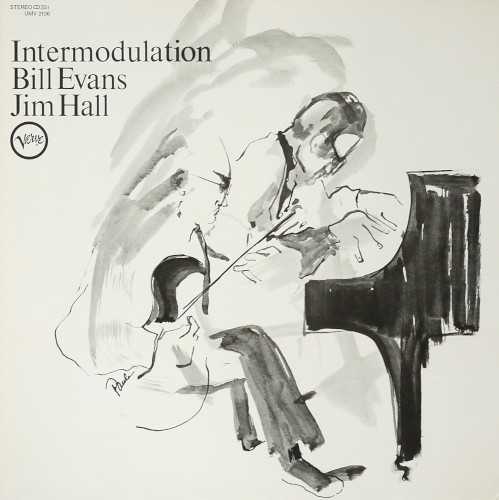 | Album: 11 of 43 Title: Intermodulation Released: 1966 Tracks: 6 Duration: 32:30 Scroll: Up Down Top Bottom 25% 50% 75% Spotify Allmusic AlbumCover | 1 Ive Got You Under My Skin (03:25) 2 My Mans Gone Now (06:47) 3 Turn Out the Stars (07:38) 4 Angel Face (06:38) 5 Jazz Samba (03:11) 6 All Across the City (04:49) |
| Intermodulation : Allmusic album Review : A duet recording between pianist Bill Evans and guitarist Jim Hall is one that should retain high expectations to match melodic and harmonic intimacies with brilliant spontaneous musicianship. Where this recording delivers that supposition is in the details and intricacy with which Evans and Hall work, guided by simple framings of standard songs made into personal statements that include no small amounts of innovation. Only two standards are included, and begin the program before the duo merges into some original material with some foraging off the beaten path, along with tender notions that should please anyone. If you hear the melody of the opener, "Ive Got You Under My Skin," in your head, youd never believe Evans and Hall could conceive of this reharmonized and essentially improvised take, full of interplay and invention. The classic waltz version of "My Mans Gone Now" is closer to a stock rendition, except that Evans wrings out every bit of somber emotion in a spontaneous manner. Halls "All Across the City" -- by now a revered standard -- is heard here in an early version with languid, serene, and peaceful tones. Another similarly iconic standard is "Turn Out the Stars," mostly a solo piano work with Evans hinting at quotes of Dave Brubecks "In Your Own Sweet Way." The most unusual choice is Joe Zawinuls "Angel Face," with a naturally delicate lead from Halls guitar, while Claus Ogermans "Jazz Samba" injects a bit of energy into this otherwise easygoing set, with Halls basslines setting off some bright harmonic reinforcements. At only 32 and a half minutes, its disappointing there are no bonus tracks and/or additional material for a CD-length reissue, but Intermodulation still remains a precious set of music from these two great modern jazz musicians. | ||
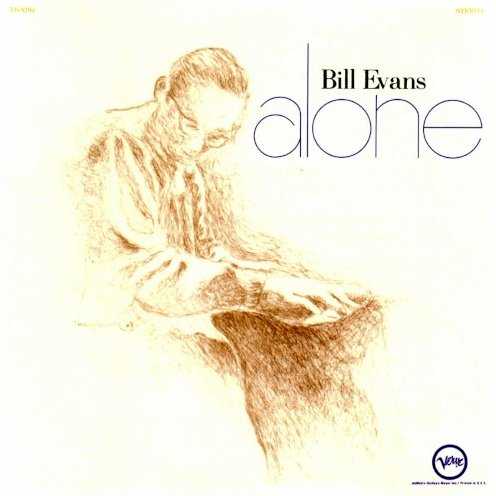 | Album: 12 of 43 Title: Alone Released: 1969 Tracks: 7 Duration: 46:15 Scroll: Up Down Top Bottom 25% 50% 75% Spotify Allmusic AlbumCover | 1 Heres That Rainy Day (05:21) 2 A Time for Love (05:06) 3 Midnight Mood (05:19) 4 On a Clear Day (You Can See Forever) (04:48) 5 Never Let Me Go (14:32) 6 Medley: All the Things You Are / Midnight Mood (04:11) 7 A Time for Love (alternate) (06:56) |
| Alone : Allmusic album Review : The recording date of this solo outing by pianist Bill Evans has been listed as both September 1968 and December 1969; the latter seems the more logical entry. In any case, Evans final Verve album is one of his weaker dates. He plays five often-rambling solos, including a 14-and-a-half-minute exploration of "Never Let Me Go," and one senses that he misses the usual interplay that he had with his sidemen. In addition, the repertoire -- which also includes "Heres That Rainy Day," "A Time for Love," "Midnight Mood," and "On a Clear Day" -- is not too inspiring and lacks much variety. This set is therefore only recommended to Bill Evans completists who already have many of his other recordings. [Some reissues include bonus tracks.] | ||
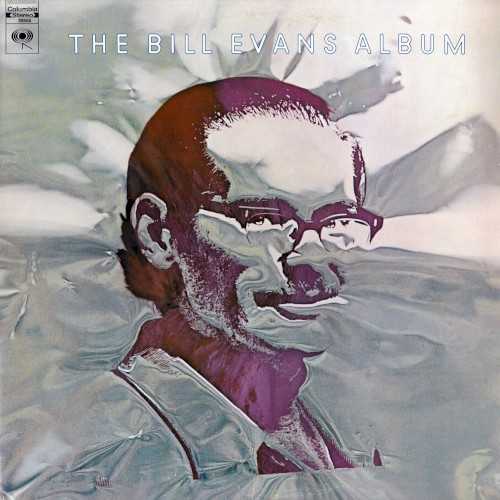 | Album: 13 of 43 Title: The Bill Evans Album Released: 1971 Tracks: 7 Duration: 49:07 Scroll: Up Down Top Bottom 25% 50% 75% Spotify Allmusic AlbumCover | 1 Funkallero (07:51) 2 The Two Lonely People (06:14) 3 Sugar Plum (07:06) 4 Waltz for Debby (07:44) 5 T.T.T. (Twelve Tone Tune) (06:41) 6 Re: Person I Knew (05:53) 7 Comrade Conrad (07:38) |
| The Bill Evans Album : Allmusic album Review : On this seven-song LP, Bill Evans made his debut on electric piano, usually playing it in conjunction with his acoustic piano. Joined by bassist Eddie Gomez and drummer Marty Morell, Evans performs seven of his stronger originals including "Funkallero," "The Two Lonely People," "Re: Person I Knew," "T.T.T.," and "Waltz for Debby." Although not as distinctive on the electric keyboard as he was on its acoustic counterpart, Evans sounds inspired by its possibilities and is heard in top creative form throughout the date. | ||
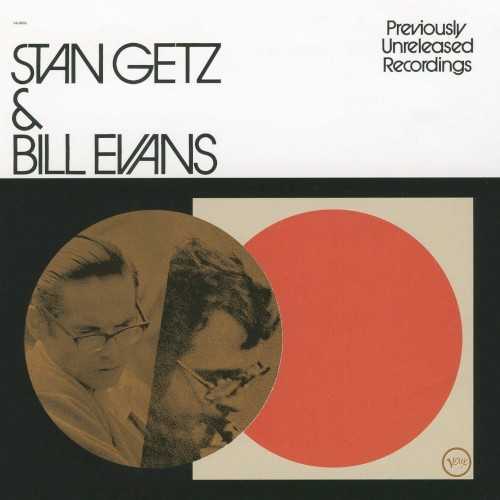 | Album: 14 of 43 Title: Stan Getz & Bill Evans Released: 1973 Tracks: 11 Duration: 1:02:05 Scroll: Up Down Top Bottom 25% 50% 75% Spotify Allmusic AlbumCover | 1 Night and Day (06:49) 2 But Beautiful (04:43) 3 Funkallero (06:44) 4 My Heart Stood Still (08:41) 5 Melinda (05:08) 6 Grandfather’s Waltz (06:30) 7 Carpetbagger’s Theme (01:47) 8 WNEW (Theme Song) (02:50) 9 My Heart Stood Still (alternate take) (06:45) 10 Grandfather’s Waltz (alternate take) (05:32) 11 Night and Day (alternate take) (06:34) |
| Stan Getz & Bill Evans : Allmusic album Review : The only studio meeting between Stan Getz and Bill Evans took place over two days in 1964, with the aggressive drummer Elvin Jones and either Richard Davis or Ron Carter on bass. It is peculiar that Verve shelved the results for over a decade before issuing any of the music, though it may have been felt that Getz and Evans hadnt had enough time to achieve the desired chemistry, though there are memorable moments. The punchy take of "My Heart Stood Still," the elegant interpretation of "Grandfathers Waltz," and the lush setting of the show tune "Melinda" all came from the first days session, with Davis on bass. (Evidently he was unavailable the following day, so Carter replaced him.) Evans driving, challenging "Funkallero" is the obvious highlight from day two, though the gorgeous "But Beautiful" and the breezy setting of "Night and Day" are also enjoyable. Only the brief version of "Carpetbaggers Theme," which seems badly out of place and suggestive of the labels interference with the session, is a bit of a disappointment. Obviously neither Getz nor Evans liked the tune, as they go through the motions in a very brief performance. [Some reissues add three unissued alternate takes, though additional material from the sessions was included in the box set The Complete Bill Evans on Verve.] | ||
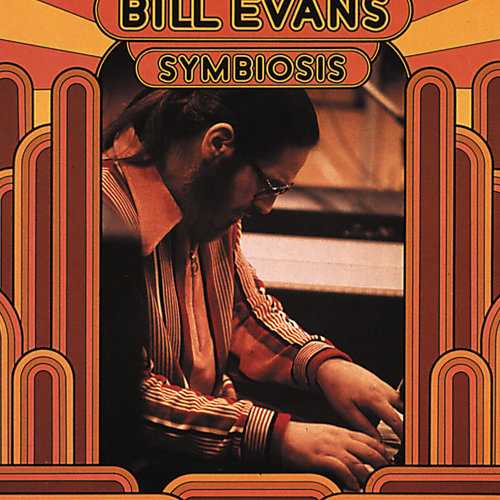 | Album: 15 of 43 Title: Symbiosis Released: 1974 Tracks: 5 Duration: 41:05 Scroll: Up Down Top Bottom 25% 50% 75% Spotify Allmusic AlbumCover | 1 Symbiosis: Ia. Moderato - Various Tempi (07:55) 2 Symbiosis: Ib. Moderato - Various Tempi (05:18) 3 Symbiosis: Ic. Moderato - Various Tempi (11:54) 4 Symbiosis: IIa. Largo - Andante - Maestoso - Largo (09:13) 5 Symbiosis: IIb. Largo - Andante - Maestoso - Largo (06:45) |
| Symbiosis : Allmusic album Review : Legendary jazz pianist Bill Evans is most often thought of as a "trio" player, as most of his albums have been piano/bass/drums, with the occasional solo or duo album. But he did record a select few albums with orchestras, and thats what makes SYMBIOSIS a special and unique entry in Evans hugh catalog. Recorded in 1974, it was released in 1994 on CD for the first time. Further, this albums contains no standards or Evans originals--the title piece is a multi-part suite composed, arranged and conducted by Claus Ogerman (who also collaborated with Stan Getz and Frank Sinatra, among many others). The album runs the stylistic gamut: there are moments of Philip Glass-like minimalism (!), samba-flavored big-band passages, echoes of the early 20th century Russian composers, Third Stream jazz, lush yet slightly ominous string arrangements and 70s film music. Throughout, Evans, alternating between acoustic and electric pianos, shimmers and entrances with his inventively lyrical solos. Not your "typical" Bill Evans album--but thats what makes SYMBIOSIS such a fine, gently challenging listen. | ||
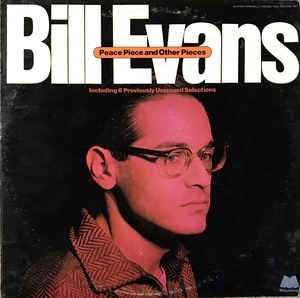 | Album: 16 of 43 Title: Peace Piece And Other Pieces Released: 1975 Tracks: 17 Duration: 1:23:33 Scroll: Up Down Top Bottom 25% 50% 75% AlbumCover | 1 Minority (05:24) 2 Young And Foolish (05:52) 3 Lucky To Be Me (03:17) 4 Night And Day (07:16) 5 Epilogue (00:39) 6 Tenderly (03:30) 7 Peace Piece (06:41) 8 What Is There To Say? (04:52) 9 Oleo (04:07) 10 Epilogue (00:39) 1 You And The Night And The Music (07:20) 2 My Heart Stood Still (05:21) 3 Green Dolphin Street (08:09) 4 How Am I To Know? (06:18) 5 Woodyn You (Take 1) (04:25) 6 Woodyn You (Take 2) (04:10) 7 Loose Bloose (05:33) |
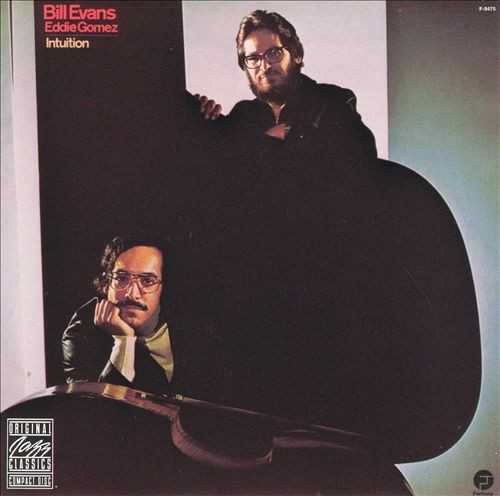 | Album: 17 of 43 Title: Intuition Released: 1975 Tracks: 8 Duration: 41:45 Scroll: Up Down Top Bottom 25% 50% 75% Spotify Allmusic AlbumCover | 1 Invitation (06:32) 2 Blue Serge (05:09) 3 Show - Type Tune (04:07) 4 The Nature of Things (03:25) 5 Are You All the Things (05:02) 6 A Face Without a Name (05:40) 7 Falling Grace (04:31) 8 Hi Lili, Hi Lo (07:19) |
| Intuition : Allmusic album Review : After having played together on a regular basis for eight years, it is not surprising that this set of duets by pianist Bill Evans and bassist Eddie Gomez is intuitive and bordering on the telepathic. The material is quite fresh. Evans might have recorded "Invitation" and "Show-Type Tune" previously, but the other six songs were getting their debut in his hands. Whether it be "Hi Lili, Hi Lo," Claus Ogermans "A Face Without a Name," Steve Swallows "Falling Grace" or "Blue Serge," the sensitive and generally introspective playing on this LP definitely holds ones interest. | ||
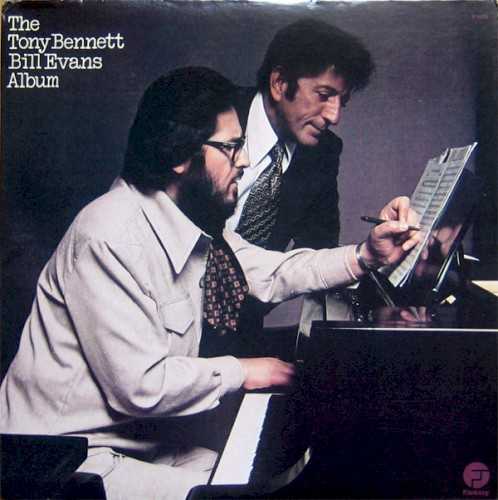 | Album: 18 of 43 Title: The Complete Tony Bennett & Bill Evans Recordings Released: 1975 Tracks: 9 Duration: 35:02 Scroll: Up Down Top Bottom 25% 50% 75% Allmusic Wikipedia AlbumCover | 1 Young and Foolish (03:54) 2 The Touch of Your Lips (03:56) 3 Some Other Time (04:43) 4 When in Rome (02:54) 5 Well Be Together Again (04:38) 6 My Foolish Heart (04:51) 7 Waltz for Debby (04:05) 8 But Beautiful (03:37) 9 Days of Wine and Roses (02:21) |
| The Complete Tony Bennett & Bill Evans Recordings : Allmusic album Review : Having completed his relatively brief sojourn with MGM/Verve with 1973s Listen Easy, Tony Bennett was in the midst of forming his own label, Improv Records, when he made a deal with jazz pianist Bill Evans to cut two LPs: The Tony Bennett/Bill Evans Album and Together Again. (The first would be for Evans label, Fantasy Records, the second to follow on Improv.) The singer and his collaborator -- "accompanist" does not adequately describe Evans contribution, and in any case he received co-billing -- got together in a recording studio over four days in June 1975 with no one other than the producer, Helen Keane and an engineer present, and quickly recorded two of the best albums of eithers career. For Bennett, it was a dream project; for years (decades, actually), he had been balancing the demands of commerciality with his own inclinations toward jazz and affection for the songs of Broadway masters and of the Great American Songbook. Left to himself with a jazz partner, he naturally gravitated toward both interests. There were songs here that he had already recorded, but never in so unadorned and yet fully realized a fashion. Evans was an excellent accompanist, using his steady left hand to keep his singer centered, but ready, whenever the vocals were finished, to go off into his characteristically lyrical playing. Bennett could seem a bit earthbound when he came back in (he still wasnt really a jazz singer), but his obvious enthusiasm for the project, coupled with his mastery of phrasing in songs he understood perfectly made him an equal in the partnership. As far as the major-label record business was concerned, the 46-year-old singer might have been over the hill and indulging himself, but in fact he was in his prime and finally able to pursue his ambitions unfettered, and that would prove itself a major boost to his career over time. For the moment, hed made an excellent jazz-pop hybrid in which both musicians were shown off to advantage. [Of the 20 alternate takes and two bonus tracks included in this complete package, nine are previously unreleased except on the Bennett box set, The Complete Improv Recordings. Not surprisingly, they are more interesting for Evans different improvisations than for anything else. But they also demonstrate that he and Bennett tried different approaches to the tunes. "Young and Foolish," the lead-off track on their first album, begins with both Bennett and Evans on the refrain, but the alternate take starts with Evans alone, followed by Bennett singing the songs introductory verse instead; the version runs a minute longer. The alternate take of "The Touch of Your Lips," on the other hand, is at a faster tempo and a minute shorter. None of the alternate takes actually improves on the originally released ones, but they show how well considered the album was.] | ||
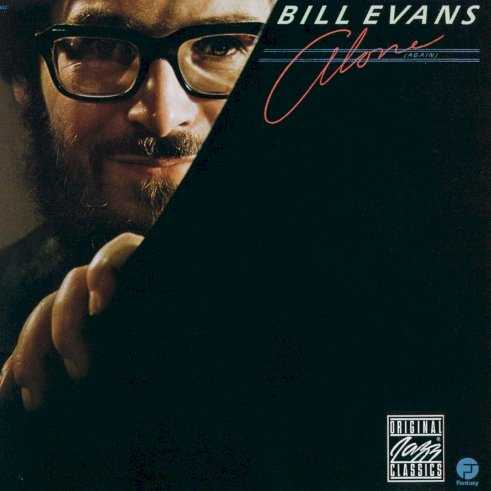 | Album: 19 of 43 Title: Alone (Again) Released: 1975-12-16 Tracks: 8 Duration: 56:58 Scroll: Up Down Top Bottom 25% 50% 75% Spotify Allmusic AlbumCover | 1 The Touch of Your Lips (07:07) 2 In Your Own Sweet Way (08:59) 3 Make Someone Happy (07:14) 4 What Kind of Fool Am I? (06:09) 5 People (13:38) 6 All of You (04:59) 7 Since We Met (03:41) 8 But Not for Me / Isnt It Romantic / The Opener (05:09) |
| Alone (Again) : Allmusic album Review : Bill Evans was at his best playing solo piano; his touch, harmonic and rhythmic creativity, phrasing, and total technique were so accomplished that he needed ideal accompanists to excel in any trio or group situation. But when playing unaccompanied, he was free to explore any and all directions, developing and exploiting them without concern about other musicians following, fitting in, or expanding the territory behind or underneath him. There were only five cuts on this 1975 date, and the superb CD remastering illuminates Evans brilliant solos. It offers a textbook example of how Evans opened, developed, and finished a composition; he examined it to the utmost, explored multiple options with flair, then concluded it in spectacular fashion. | ||
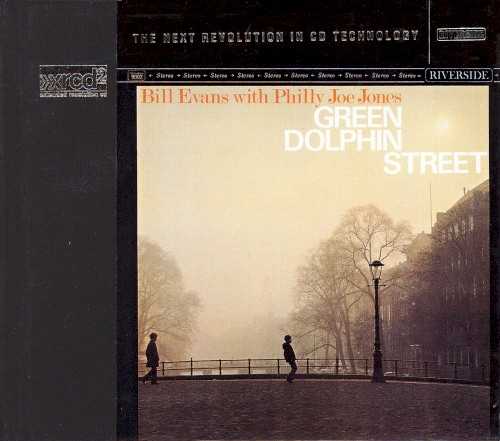 | Album: 20 of 43 Title: On Green Dolphin Street Released: 1977 Tracks: 7 Duration: 41:39 Scroll: Up Down Top Bottom 25% 50% 75% Spotify Allmusic Wikipedia AlbumCover | 1 You and the Night and the Music (07:23) 2 My Heart Stood Still (05:24) 3 Green Dolphin Street (08:13) 4 How Am I to Know? (06:21) 5 Woody n You (take 1) (04:28) 6 Woody n You (take 2) (04:13) 7 Loose Bloose (05:37) |
| On Green Dolphin Street : Allmusic album Review : An obscure Bill Evans trio set (with bassist Paul Chambers and drummer Philly Joe Jones), On Green Dolphin Street went unissued until the mid-70s, when the pianist decided that it was worth releasing as a fine example of Chambers work. Very much a spontaneous set -- it was recorded after the rhythm section made part of a record accompanying trumpeter Chet Baker -- the group runs through a few standards such as "You and the Night and the Music," "Green Dolphin Street," and two versions of "Woody N You." Although lacking the magic of Evans regular bands, the date has its strong moments, and the pianists fans will be interested in getting this early sampling of his work. [Some reissues include a special bonus, the rare first take of "All of You" from the legendary Village Vanguard engagement by the 1961 Evans Trio with bassist Scott LaFaro and drummer Paul Motian.] | ||
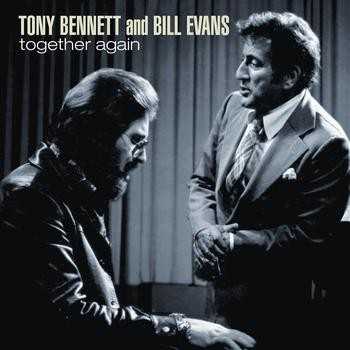 | Album: 21 of 43 Title: Together Again Released: 1977 Tracks: 18 Duration: 1:05:18 Scroll: Up Down Top Bottom 25% 50% 75% Spotify Allmusic AlbumCover | 1 Lucky to Be Me (03:45) 2 Make Someone Happy (03:53) 3 A Child Is Born (03:17) 4 The Two Lonely People (04:28) 5 You Must Believe in Spring (05:51) 6 Youre Nearer (02:22) 7 Maybe September (03:55) 8 Lonely Girl (02:49) 9 You Dont Know What Love Is (03:27) 10 The Bad and the Beautiful (02:19) 11 Who Can I Turn To? (02:28) 12 Dream Dancing (03:48) 13 A Child Is Born (alternate take) (03:25) 14 You Must Believe in Spring (alternate take) (06:01) 15 Youre Nearer (alternate take) (02:57) 16 Maybe September (alternate take) (04:37) 17 You Dont Know What Love Is (alternate take) (03:32) 18 The Bad and the Beautiful (alternate take) (02:15) |
| Together Again : Allmusic album Review : The somewhat notorious bootleg label Moon, which has evidently ceased operations, will really frustrate jazz fans with this release. The quartet featuring both pianist Bill Evans and alto saxophonist Lee Konitz appears only on the closing medley and is marred by a continuous hum. Konitz appears with Niels Pedersen and Alan Dawson on "All the Things You Are" and "Whats New?" Evans joins the rhythm section for "Come Rain or Come Shine" and "Beautiful Love." The poor sound with occasional tape dropouts will make it appealing only to the most obsessive fans of Bill Evans and/or Lee Konitz. | ||
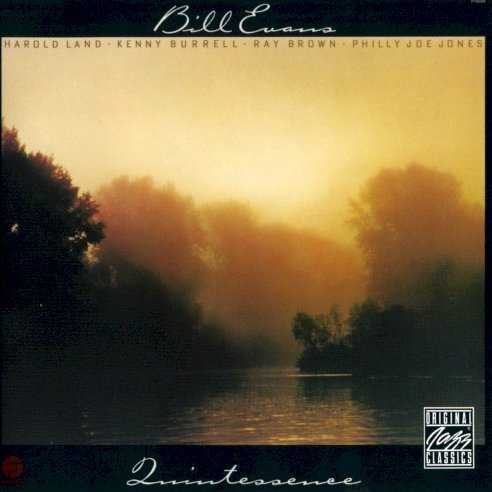 | Album: 22 of 43 Title: Quintessence Released: 1977 Tracks: 6 Duration: 43:22 Scroll: Up Down Top Bottom 25% 50% 75% Spotify Allmusic Wikipedia AlbumCover | 1 Sweet Dulcinea Blue (06:07) 2 Martina (08:16) 3 Second Time Around (03:45) 4 A Child Is Born (07:34) 5 Bass Face (10:07) 6 Nobody Else but Me (07:30) |
| Quintessence : Allmusic album Review : Most of pianist Bill Evans recordings were in a trio format, making this quintet date a nice change of pace. Evans all-star group consists of tenor saxophonist Harold Land, guitarist Kenny Burrell, bassist Ray Brown, and drummer Philly Joe Jones and the results are quite tasteful and explorative in a subtle way. This version of Thad Jones "A Child Is Born" is most memorable. | ||
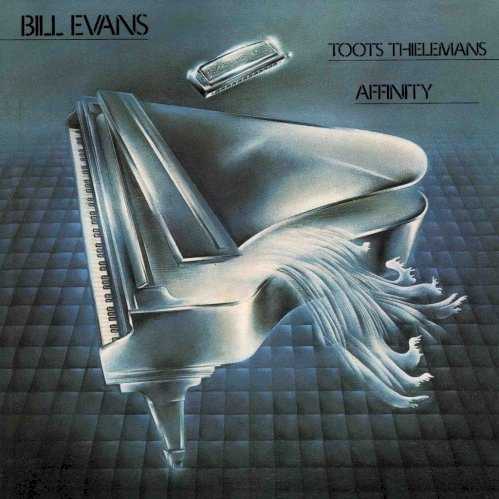 | Album: 23 of 43 Title: Affinity Released: 1978-10-30 Tracks: 9 Duration: 49:40 Scroll: Up Down Top Bottom 25% 50% 75% Allmusic AlbumCover | 1 I Do It For Your Love (07:23) 2 Sno Peas (05:56) 3 This Is All I Ask (04:18) 4 The Days Of Wine And Roses (06:43) 5 Jesus Last Ballad (05:59) 6 Tomato Kiss (05:25) 7 The Other Side Of Midnight (Noelles Theme) (03:23) 8 Blue in Green [miscredited as Blue and Green] (04:16) 9 Body And Soul (06:17) |
| Affinity : Allmusic album Review : Pianist Bill Evans (who doubles on electric piano on this album for the final time in the recording studio) welcomes guest harmonica player Toots Thielemans and Larry Schneider (on tenor, soprano and alto flute) to an outing with bassist Marc Johnson (making his recording debut with Evans) and drummer Eliot Zigmund. The material contains some surprises (including Paul Simons "I Do It for Your Love" and Michel Legrands "The Other Side of Tonight") and only two jazz standards ("Body & Soul" and "Blue and Green") with the latter being the only Evans composition. Excellent if not essential music that Evans generally uplifts. | ||
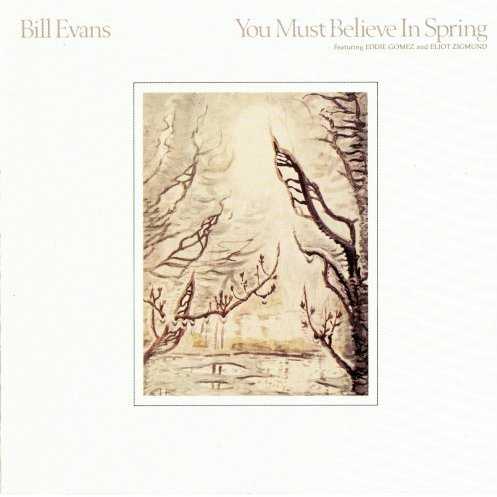 | Album: 24 of 43 Title: You Must Believe in Spring Released: 1981 Tracks: 7 Duration: 34:23 Scroll: Up Down Top Bottom 25% 50% 75% Spotify Allmusic AlbumCover | 1 B Minor Waltz (For Ellaine) (03:19) 2 You Must Believe in Spring (05:47) 3 Garys Theme (04:23) 4 We Will Meet Again (For Harry) (04:06) 5 The Peacocks (06:04) 6 Sometime Ago (04:39) 7 Theme From M*A*S*H (a.k.a. Suicide Is Painless) (06:02) |
| You Must Believe in Spring : Allmusic album Review : This well-rounded set (released posthumously) features the highly influential pianist Bill Evans in a set of typically sensitive trio performances. With his longtime bassist Eddie Gomez and his drummer of the period, Eliot Zigmund, Evans explores such songs as "We Will Meet Again," Jimmy Rowless classic "The Peacocks" and the "Theme from M*A*S*H." Its a solid example of the great pianists artistry. | ||
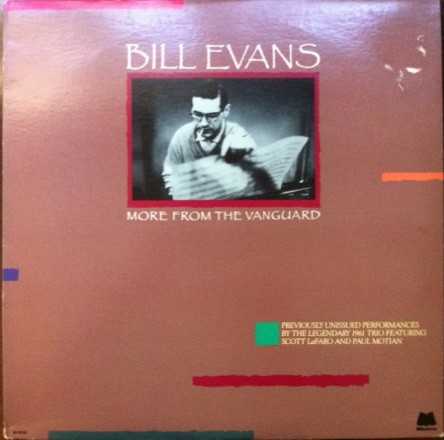 | Album: 25 of 43 Title: More From The Vanguard Released: 1984 Tracks: 7 Duration: 47:03 Scroll: Up Down Top Bottom 25% 50% 75% AlbumCover | 1 Alice In Wonderland (06:59) 2 Detour Ahead (07:13) 3 All Of You (08:04) 4 Glorias Step (06:54) 5 My Romance (07:12) 6 Jade Visions (03:52) 7 Waltz For Debby (06:49) |
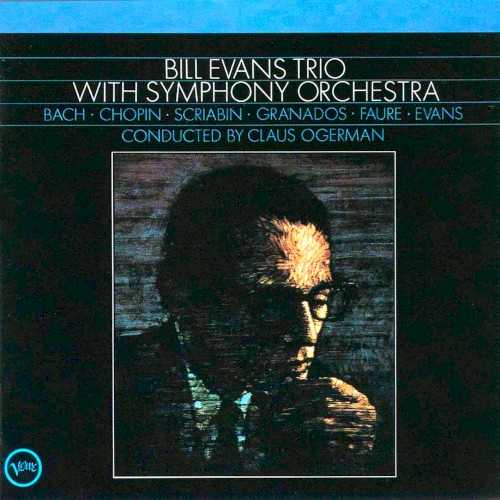 | Album: 26 of 43 Title: Bill Evans With Symphony Orchestra Released: 1985-06-17 Tracks: 8 Duration: 38:06 Scroll: Up Down Top Bottom 25% 50% 75% Spotify AlbumCover | 1 Granadas (05:54) 2 Valse (05:52) 3 Prelude (03:01) 4 Time Remembered (04:10) 5 Pavane (04:01) 6 Elegia (Elegy) (05:12) 7 My Bells (03:48) 8 Blue Interlude (06:04) |
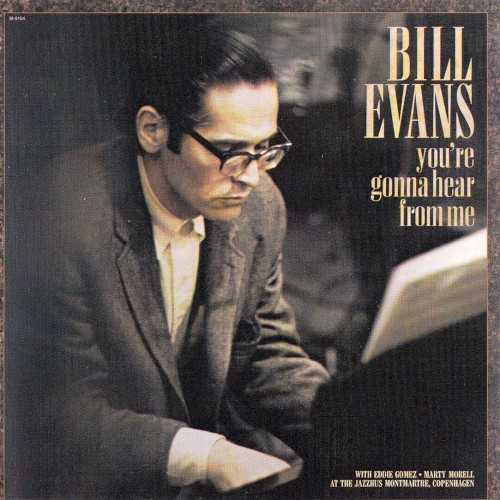 | Album: 27 of 43 Title: Youre Gonna Hear From Me Released: 1988 Tracks: 9 Duration: 50:27 Scroll: Up Down Top Bottom 25% 50% 75% Spotify Allmusic Wikipedia AlbumCover | 1 Youre Gonna Hear From Me (03:04) 2 Round Midnight (06:24) 3 Waltz for Debby (05:31) 4 Nardis (09:05) 5 Time Remembered (05:04) 6 Who Can I Turn To? (06:25) 7 Emily (05:03) 8 Our Love Is Here to Stay (03:55) 9 Someday My Prince Will Come (05:52) |
| You're Gonna Hear From Me : Allmusic album Review : This CD reissue is the companion to Jazzhouse, for both were recorded on the same night at the Montmartre in Copenhagen. Evans regular trio of the time (which included bassist Eddie Gómez and drummer Marty Morell) is in exuberant form performing before an enthusiastic crowd. In addition to versions of his famous "Waltz for Debby" and "Time Remembered," Evans plays seven of his favorite standards, including "Youre Gonna Hear from Me," "Nardis," and "Emily." An excellent all-around set that was not originally released until 1988. | ||
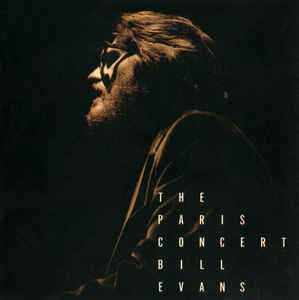 | Album: 28 of 43 Title: The Paris Concert Released: 1989-09-15 Tracks: 9 Duration: 55:40 Scroll: Up Down Top Bottom 25% 50% 75% AlbumCover | 1 Sugar Plum (06:31) 2 Time Remembered (05:35) 3 34 Skidoo (07:12) 4 T.T.T.T. (06:36) 5 Turn Out The Stars (05:03) 6 Someday My Prince Will Come (07:10) 7 Minha (All Mine) (03:47) 8 All Of You (08:10) 9 Waltz For Debby (05:36) |
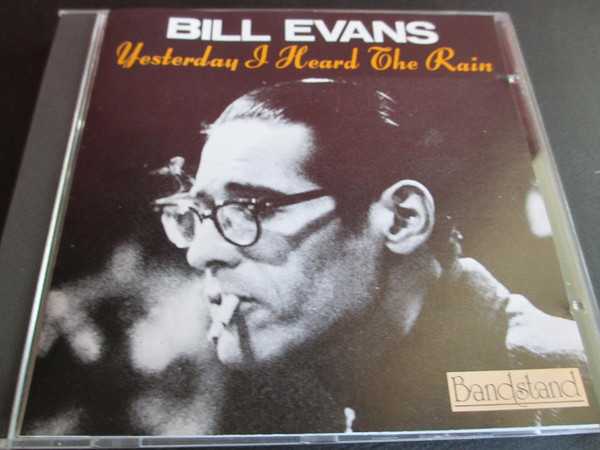 | Album: 29 of 43 Title: Yesterday I Heard the Rain Released: 1992 Tracks: 9 Duration: 56:46 Scroll: Up Down Top Bottom 25% 50% 75% AlbumCover | 1 Up With the Lark (06:53) 2 What Are You Doing the Rest of Your Life? (05:12) 3 My Romance (09:07) 4 Emily (06:56) 5 Yesterday I Heard the Rain (05:45) 6 Who Can I Turn To (When Nobody Needs Me) (06:35) 7 Some Other Time (05:22) 8 Autumn Leaves (04:19) 9 Someday My Prince Will Come (06:37) |
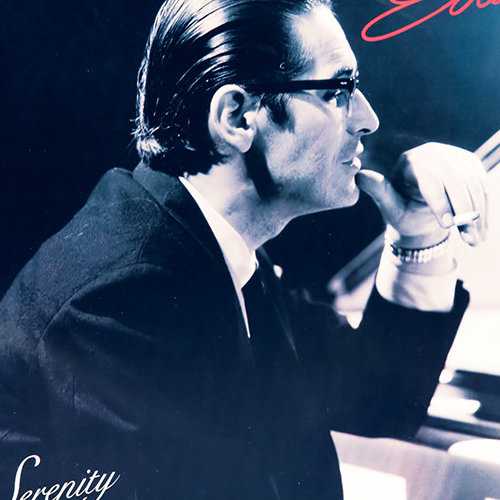 | Album: 30 of 43 Title: Serenity Released: 1993 Tracks: 6 Duration: 46:30 Scroll: Up Down Top Bottom 25% 50% 75% Allmusic AlbumCover | 1 Re: Person I Knew (09:08) 2 Turn Out the Stars (05:22) 3 Glorias Step (08:48) 4 Two Lonely People (08:33) 5 Waltz for Debby (09:00) 6 What Are You Doing the Rest of Your Life (05:39) |
| Serenity : Allmusic album Review : Bill Evans envisioned a piano trio in which the bassist and drummer wouldn’t be accompanists but equal participants. Further, without any attempts at obvious fusion, he melded elements of late 19th- and early 20th-century classical music into his approach, along with a quiet but powerful lyrical quality still based in jazz. SERENITY captures a live Evans radio broadcast with his regular bandmates from the early and mid-‘70s--Eddie Gomez (bass) and Marty Morell (drums)--performing Evanss best-loved favorites such as "Re: Person I Knew" and "Waltz For Debby." | ||
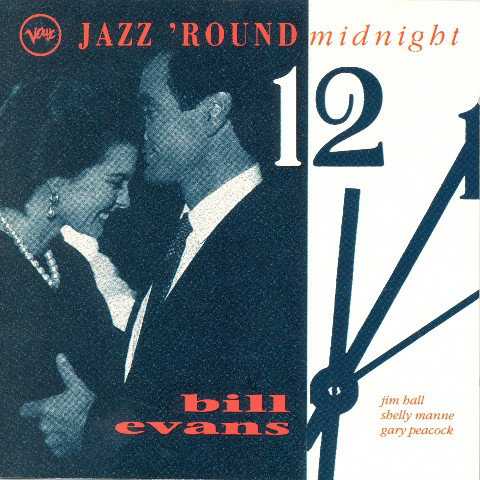 | Album: 31 of 43 Title: Jazz Round Midnight Released: 1993 Tracks: 12 Duration: 1:02:53 Scroll: Up Down Top Bottom 25% 50% 75% Spotify AlbumCover | 1 Turn Out the Stars (07:38) 2 Spring Is Here (04:44) 3 For Heavens Sake (04:27) 4 Valse (05:50) 5 If You Could See Me Now (04:49) 6 Goodbye (05:12) 7 Elsa (04:22) 8 Quiet Now (06:19) 9 Time Remembered (04:10) 10 My Mans Gone Now (06:46) 11 My Foolish Heart (04:50) 12 Danny Boy (03:41) |
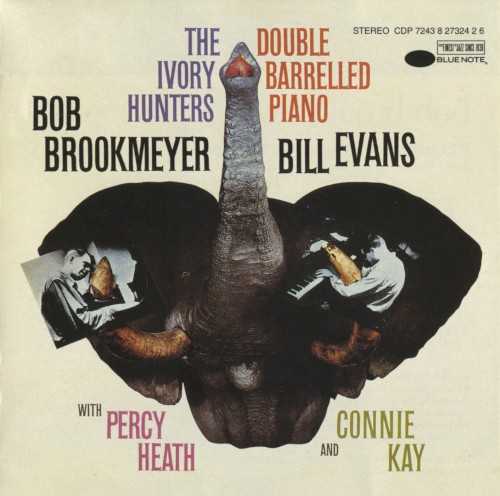 | Album: 32 of 43 Title: The Ivory Hunters Released: 1994 Tracks: 6 Duration: 42:25 Scroll: Up Down Top Bottom 25% 50% 75% Allmusic AlbumCover | 1 Honeysuckle Rose (05:55) 2 As Time Goes By (06:56) 3 The Way You Look Tonight (07:40) 4 It Could Happen to You (07:26) 5 The Man I Love (05:57) 6 I Got Rhythm (08:31) |
| The Ivory Hunters : Allmusic album Review : When Bill Evans agreed to do a two piano date with Bob Brookmeyer, eyebrows surely must have raised. Pairing a rising superstar of modern jazz with a gentleman known for playing valve trombone and arranging charts might have been deemed by some as a daunting task. Fortunately for the keyboardists, this was a good idea and a marvelous concept, where the two could use the concept of counterpoint and improvisation to an enjoyable means, much like a great chess match. For the listener, you are easily able to hear the difference between ostensible leader Evans in the right channel of the stereo separation, and the accompanist Brookmeyer in the left. The opener "Honeysuckle Rose" gives a basic idea of what to expect, as Evans leads out, Brookmeyer counters his moves, and they trade riffs in an inventive bridge. "The Way You Look Tonight" is similar as Brookmeyer is more playful in his chiming chords and second melody line. The energy level is very good here, as well as on the democratic, funky contemporary intro to the easy swing of "It Could Happen to You" and "I Got Rhythm," jam-packed with fun plus risk-taking. Theres a different give and take during "The Man I Love," and they turn the lamp down low on a delicate version of "As Time Goes By" as the pianists trade leads, and bassist Percy Heath adopts a more pronounced role. It is Heath and drummer Connie Kay, on loan from the Modern Jazz Quartet, who precisely and firmly cement rhythmic elements, allowing the pianists to use space, harmony, wit and wisdom to full effect. Some have called this an effort based more on gimmick and showmanship, but if you agree to listen closely, the depth and substance of Evans and Brookmeyer reveals a lot of soul, invention, and musicians simply having a real good time. It would be nice to hear any alternate takes from this marvelous date. | ||
 | Album: 33 of 43 Title: Eloquence Released: 1994-07-30 Tracks: 8 Duration: 40:42 Scroll: Up Down Top Bottom 25% 50% 75% Spotify Allmusic AlbumCover | 1 Gone With the Wind (05:31) 2 Saudade Do Brasil (05:43) 3 In a Sentimental Mood (06:09) 4 But Beautiful (03:41) 5 All of You (04:58) 6 Since We Met (03:40) 7 But Not for Me / Isnt It Romantic / The Opener (05:08) 8 When in Rome / It Amazes Me (05:52) |
| Eloquence : Allmusic album Review : This interesting album was originally released posthumously in 1982. Pianist Bill Evans is featured on four duets with his longtime bassist Eddie Gomez in 1974-75, exploring a quartet of superior standards. The second half of the program (which dates from 1973 and 1975) is not on the same level. Evans is heard playing two songs he was not all that familiar with late at night at a club, and he performs two other songs and a wandering medley while rehearsing in a recording studio. Being a musical perfectionist, it is a bit doubtful if he would have wanted this music to be released although longtime Bill Evans collectors will find the explorations to be intriguing. | ||
 | Album: 34 of 43 Title: Live In Paris, 1972 Vol. 3 Released: 1995 Tracks: 11 Duration: 1:14:21 Scroll: Up Down Top Bottom 25% 50% 75% AlbumCover | 1 Elsa (07:20) 2 Detour Ahead (05:29) 3 34 Skidoo (06:21) 4 Alfie (05:06) 5 Peris Scope (09:05) 6 Blue In Green (04:03) 7 Emily (06:44) 8 Who Can I Turn To (06:34) 9 Some Other Time (05:18) 10 Nardis (11:40) 11 Waltz For Debbie (06:41) |
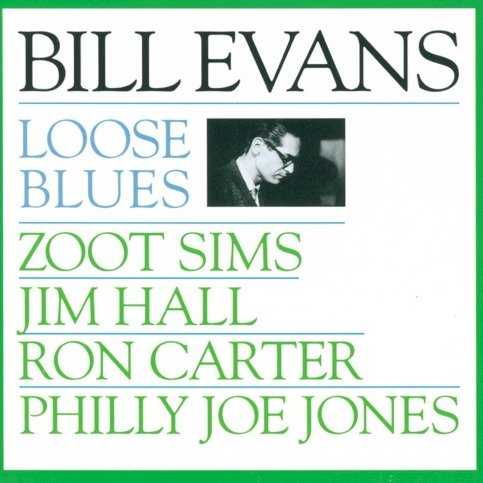 | Album: 35 of 43 Title: Loose Blues Released: 1995-04-16 Tracks: 8 Duration: 45:54 Scroll: Up Down Top Bottom 25% 50% 75% Allmusic Wikipedia AlbumCover | 1 Loose Bloose (07:05) 2 Loose Bloose (alternate) (05:33) 3 Time Remembered (06:01) 4 Funkallero (06:13) 5 My Bells (05:24) 6 There Came You (05:52) 7 Fudgesickle Built for Four (04:31) 8 Fun Ride (05:15) |
| Loose Blues : Allmusic album Review : This long-lost session, not released initially until 1982, features pianist Bill Evans, tenor saxophonist Zoot Sims, guitarist Jim Hall, bassist Ron Carter, and drummer Philly Joe Jones interpreting seven of the pianists recent originals. Due to some difficulties during the recording process (none of the sidemen were familiar with the often complex numbers), the results were originally shelved and lost for a couple of decades. This CD reissue shows that the music was actually much better than originally thought. While "Time Remembered," "Funkallero," and "My Bells" would become Evans standards, it is quite interesting to hear such forgotten obscurities as "Loose Bloose" (heard in two versions), "There Came You," "Fun Ride," and "Fudgesickle Built for Four"; a couple of the songs could stand to be revived. It is a pity that Evans and Sims (a logical combination) never did record together again. | ||
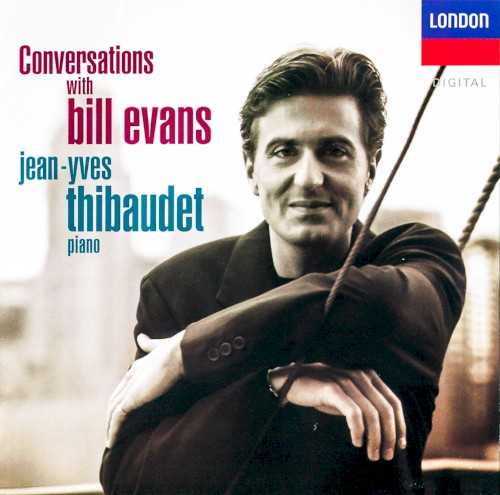 | Album: 36 of 43 Title: Conversations with Bill Evans Released: 1997 Tracks: 12 Duration: 1:00:39 Scroll: Up Down Top Bottom 25% 50% 75% AlbumCover | 1 Song for Helen (04:18) 2 Waltz for Debby (02:00) 3 Turn Out the stars (05:20) 4 Noelles Theme (05:21) 5 Reflections in D (07:25) 6 Heres That Rainy Day (06:14) 7 Hullo, Bolinas (04:16) 8 Love Theme From Spartacus (03:36) 9 Since We Met (04:55) 10 Peace Piece (07:35) 11 Your Story (05:38) 12 Lucky to Be Me (03:57) |
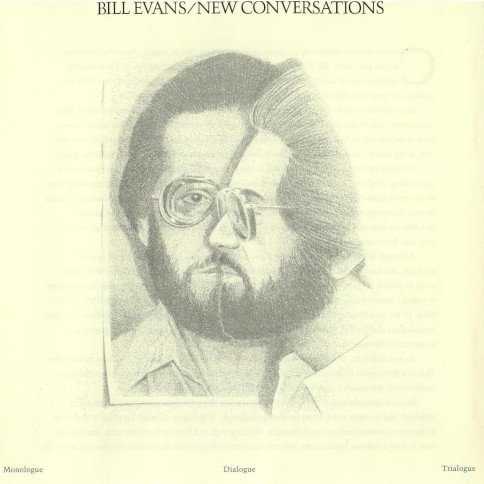 | Album: 37 of 43 Title: New Conversations Released: 1997-02-28 Tracks: 8 Duration: 46:01 Scroll: Up Down Top Bottom 25% 50% 75% Spotify Allmusic Wikipedia AlbumCover | 1 Song for Helen (07:46) 2 Nobody Else but Me (04:34) 3 Maxine (04:38) 4 For Nenette (07:18) 5 I Love My Wife (06:41) 6 Remembering the Rain (04:26) 7 After You (03:37) 8 Reflections in D (07:01) |
| New Conversations : Allmusic album Review : Bill Evans third and final recording of overdubbed solos differs from the previous two in that he utilizes an electric piano in addition to his acoustic playing. Evans plays quite well on this album (which includes four of his later originals, obscurities by Cy Coleman, Cole Porter and Duke Ellington and "Nobody Else but Me") but the results are less memorable than one might expect for Bill Evans seemed always at his best in trio settings. | ||
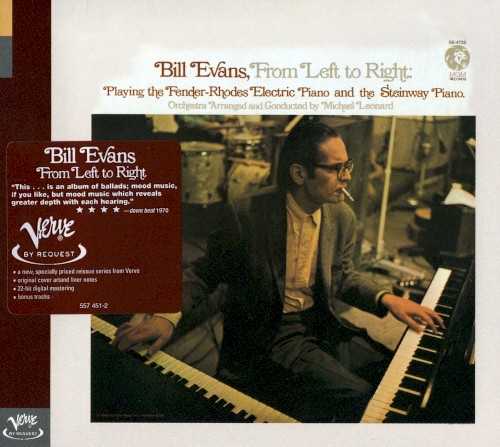 | Album: 38 of 43 Title: From Left to Right Released: 1998 Tracks: 13 Duration: 53:14 Scroll: Up Down Top Bottom 25% 50% 75% Spotify Allmusic AlbumCover | 1 What Are You Doing the Rest of Your Life? (04:08) 2 Im All Smiles (05:47) 3 Why Did I Choose You? (05:08) 4 Soirée (03:28) 5 The Dolphin - Before (03:10) 6 The Dolphin - After (03:11) 7 Lullaby for Helene (02:55) 8 Like Someone in Love (05:43) 9 Childrens Play Song (04:21) 10 What Are You Doing the Rest of Your Life? [Quartet] (04:49) 11 Why Did I Choose You? [Quartet] (04:20) 12 Soirée (alternate take) (03:30) 13 Lullaby for Helene [Quartet] (02:39) |
| From Left to Right : Allmusic album Review : In the 60s the jazz pianist Bill Evans would occasionally record an orchestral "easy listening" session to pay the bills, with predictably mediocre results. But FROM LEFT TO RIGHT, while certainly easy on the ears, is also one of Evans most intriguing "lost" records, brought to us courtesy of Verves winning "By Request" series. The novelty is that Evans plays both Fender Rhodes and acoustic piano simultaneously in real time, trading off themes and improvs with deliberative taste and, of course, rare skill. The sessions were produced by Evans long-time, protective manager Helen Keane, so there was little danger of "selling out." Unobtrusively arranged by Michael Leonard, this 1969 release resembles nothing so much as famed bossa nova composer Antonio Carlos Jobims series of shimmering instrumental albums with arranger Claus Ogerman, even without those gently relentless rhythms driving every tune. Still, the highlight of this album is the dancing two-part "The Dolphin - Before & After," a non-Jobim bossa nova which allows Evans his only extended improvisations. | ||
 | Album: 39 of 43 Title: Autumn Leaves Released: 1998-11-24 Tracks: 12 Duration: 1:07:42 Scroll: Up Down Top Bottom 25% 50% 75% Allmusic AlbumCover | 1 Solar (09:02) 2 Autumn Leaves (03:55) 3 Alice in Wonderland (08:36) 4 Nardis (05:51) 5 Very Airy (05:10) 6 Sleeping Bee (04:51) 7 Polka Dots and Moonbeams (05:05) 8 One for Helen (05:56) 9 It Might as Well Be Spring (06:09) 10 Minority (05:24) 11 Tenderly (03:35) 12 Oleo (04:08) |
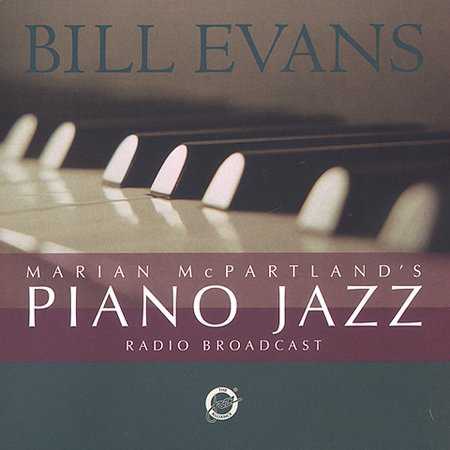 | Album: 40 of 43 Title: Marian McPartlands Piano Jazz Released: 2002-08-27 Tracks: 19 Duration: 57:40 Scroll: Up Down Top Bottom 25% 50% 75% AlbumCover | 1 Waltz for Debby (01:34) 2 [interview] (02:54) 3 All of You (02:19) 4 [interview] (00:18) 5 All of You (00:39) 6 [interview] (04:14) 7 In Your Own Sweet Way (05:02) 8 [interview], Demonstration: The Touch of Your Lips (05:40) 9 The Touch of Your Lips (02:49) 10 [interview] (04:57) 11 Reflections in D (04:34) 12 [interview] (02:43) 13 Days of Wine and Roses (03:16) 14 [interview] (02:34) 15 This Is All I Ask (04:00) 16 [interview] (00:43) 17 While Were Young (04:27) 18 [interview] (01:03) 19 I Love You (03:45) |
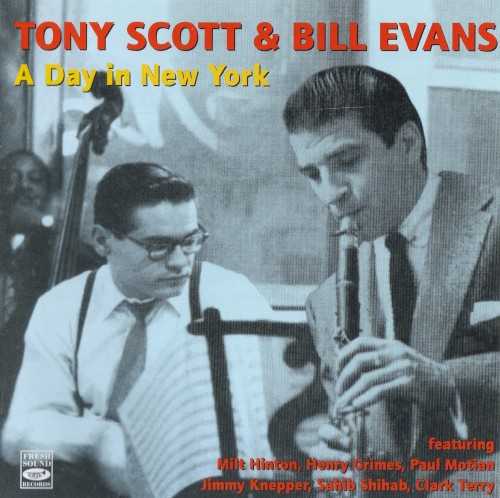 | Album: 41 of 43 Title: A Day in New York Released: 2003 Tracks: 24 Duration: 2:09:28 Scroll: Up Down Top Bottom 25% 50% 75% Allmusic AlbumCover | 1 Five (07:46) 2 She’s Different (03:33) 3 The Lady Is a Tramp (04:00) 4 Tenderly (04:38) 5 Blues for Three Horns (06:12) 6 I Remember You (03:31) 7 Lullaby of the Leaves (08:56) 8 A Shoulder to Cry On (03:01) 9 At Home With the Blues (03:11) 10 There Will Never Be Another You (04:35) 11 Portrait of Ravi (04:22) 12 Body and Soul (04:49) 1 I Can’t Get Started (06:57) 2 Gone With the Wind (06:01) 3 The Explorer (06:30) 4 If I’m Lucky (03:04) 5 The Chant (03:37) 6 Villa Jazz (04:50) 7 Zonk (05:33) 8 Blues for Five (04:51) 9 Third Moon (07:39) 10 For Pete’s Sake (06:44) 11 Just One of Those Things (07:33) 12 Franzy Pants (07:22) |
| A Day in New York : Allmusic album Review : Tony Scott led several small groups of various sizes during the month of November 1957, resulting in three separate LPs being issued by Seeco, Carlton, and Perfect without duplicating any of the 24 tracks. This Fresh Sound two-CD set collects everything recorded during these sessions. Scotts core group features pianist Bill Evans (not long after he was discharged from military service), either Milt Hinton or Henry Grimes on bass, and drummer Paul Motian. In addition to his powerful clarinet, Scott plays a potent baritone sax on six selections. The music includes a few standards, a handful of originals by Scott, and some obscure compositions. Trombonist Jimmy Knepper is a guest on several songs, providing a perfect foil for the leader in a snappy take of "The Lady Is a Tramp," with the soloing on clarinet and baritone saxophonist Sahib Shihab following Knepper. Trumpeter Clark Terry (still with Duke Ellington at the time) blows a very soft solo in a subdued arrangement of "Tenderly." Even though Evans was yet to make his mark as a leader or composer, his "Five" is heard in extended form rather than as a brief signoff as he played on early recording dates of his own. He also solos brilliantly in "There Will Never Be Another You." The title to this collection is a bit misleading, as trustworthy discographies list these sessions as being recorded over several days. Because obtaining each of the originally issued LPs is likely to be very expensive for collectors, this comprehensive CD set is the better alternative. | ||
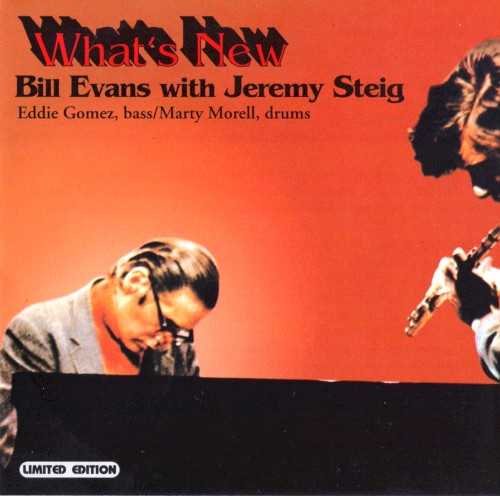 | Album: 42 of 43 Title: Whats New Released: 2003-04-23 Tracks: 7 Duration: 44:56 Scroll: Up Down Top Bottom 25% 50% 75% Allmusic AlbumCover | 1 Straight No Chaser (05:44) 2 Lover Man (06:23) 3 Whats New (04:53) 4 Autumn Leaves (06:17) 5 Time Out for Chris (07:23) 6 Spartacus Love Theme (05:01) 7 So What (09:13) |
| What's New : Allmusic album Review : This LP has the debut of drummer Marty Morell with Bill Evans and bassist Eddie Gomez, and this particular trio would retain the same personnel for six productive years. Actually, this is a quartet set with guest flutist Jeremy Steig, whose playing recalls Herbie Manns recording (Nirvana) with Evans back in the early 60s. Both flutists were always open to the influences of pop and rock, although in both of their collaborations with Evans, the music is very much on the pianists turf. With the exception of Evans "Time Out for Chris" and the "Spartacus Love Theme," the songs performed on this date would fit securely in the Miles Davis repertoire of the late 50s. Steig is in particularly fine form on the program which includes tunes such as "Straight No Chaser," "Autumn Leaves," and "So What." | ||
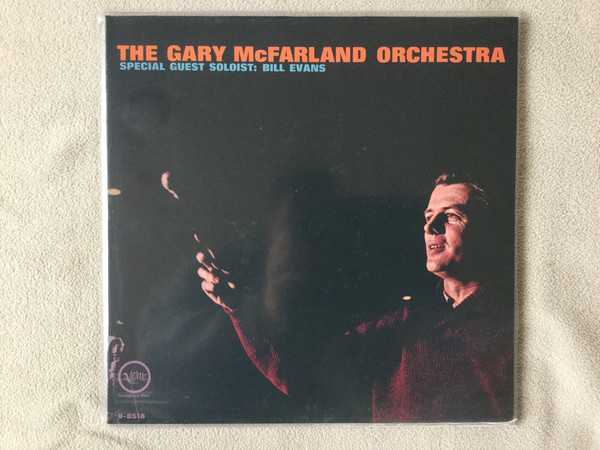 | Album: 43 of 43 Title: The Gary McFarland Orchestra Released: 2004-11-03 Tracks: 6 Duration: 36:19 Scroll: Up Down Top Bottom 25% 50% 75% AlbumCover | 1 Reflections in the Park (03:46) 2 Night Images (05:55) 3 Tree Patterns (04:59) 4 Peachtree (05:08) 5 Misplaced Cowpoke (10:16) 6 A Moment Alone (06:13) |