Meshuggah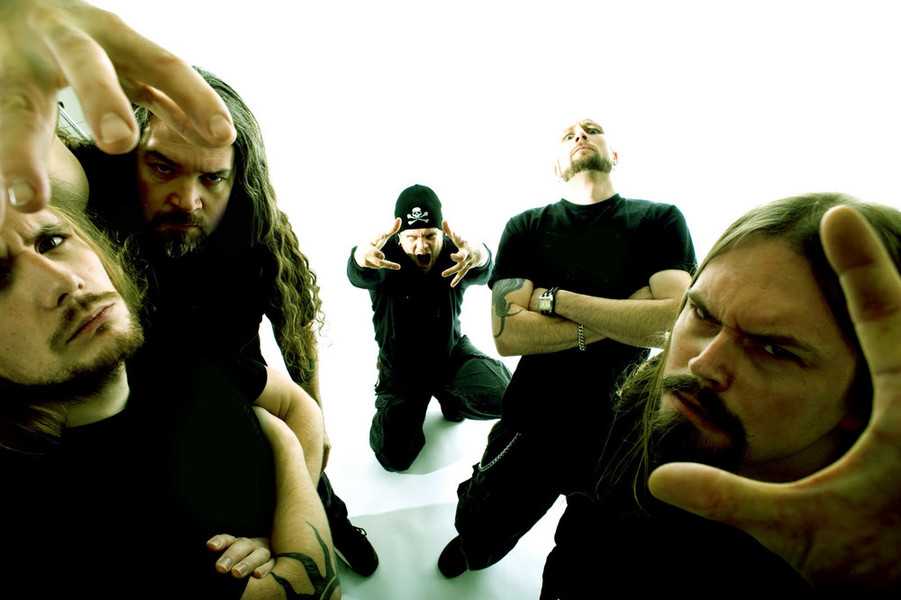 | ||
| Allmusic Biography : Offering a complex form of metal that combined the sweeping adventurism of math rock, the oddball tempos of experimental jazz, and the stunning brutality of thrash metal, Meshuggah raised the bar for metal bands everywhere upon their debut. The roots of Swedish metal band Meshuggah were planted in 1985; originally named Metallien, the founding lineup included frontman Roger Olofsson, guitarists Peder Gustafsson and Fredrik Thordendal, bassist Janne Wiklund, and drummer Örjan Lundmark. After a few demos made the rounds, Metallien broke up and Thordendal continued the band with a different lineup and a different name. The original lineup of Meshuggah also included vocalist Jens Kidman, guitarist Johan Sjögren, bassist Jörgen Lindmark, and drummer Per Sjögren. A handful of demos followed before Kidman left the group to form a new outfit Calipash, with guitarist Torbjörn Granström, bassist Peter Nordin, and drummer Niclas Lundgren; the surviving members of Meshuggah soon disbanded, and when Granström left Calipash, Thordendal assumed guitar duties in the new band. Kidman and Thordendal then agreed to reclaim the Meshuggah name, and in 1989, the band released a three-song mini-LP. After signing to Nuclear Blast (and swapping Lundgren for new drummer Tomas Haake), they issued the full-length Contradictions Collapse in 1991. Second guitarist Mårten Hagström was recruited for 1993s None EP, followed two years later by Selfcaged; in the interim, however, the group was forced to maintain a low profile -- first Thordendal severed a finger in a carpentry accident, then Haake injured his hand in a mysterious grinder mishap. Destroy Erase Improve appeared later in 1995, and won over critics with its heady tempos and abstract approach. In 1997, Meshuggah returned with The True Human Design EP; that same year, Thordendals side project, Special Defects, released their LP Sol Niger Within. Meshuggah reunited for 1998s Chaosphere, a thunderous album that was unbearably dense in its songwriting and scope. Several successful tours followed, and their incredible abilities were starting to be recognized by mainstream music magazines, especially those dedicated to particular instruments. Once they left the touring circuit, Meshuggah were surprisingly quiet, cooking up new material for a few years while a rarities disc marked the time. But in the summer of 2002, they released Nothing, a masterpiece of atmosphere that added psychedelic touches to their ever-tightening sound. Unique in almost every way, the album didnt make much of a mainstream impact but had metal fans banging their heads to 7/4 tempos and esoteric lyrics. A good word from Ozzy Osbournes son Jack scored them a spot on the annual Ozzfest tour, where they flourished on the second stage, often stealing the show with their original and savage math metal. After a brief break, Meshuggah released the I EP in 2004. Composed of a single epic track, the complex arrangements of I were just a hint of what was to follow. Their next album, Catch Thirty-Three, was released the following year and proved to be their most ambitious to date. A remastered re-release of Nothing with a bonus DVD arrived in 2006. The same year, Meshuggah returned to the studio to record the album that would become obZen, their sixth, which was released in March of 2008 in advance of a world tour that began in the United States with the band in the opening slot for Ministrys final jaunt before moving to Europe, Asia, and Australia as a headliner. Their seventh album, Koloss, was issued in 2012 followed by the single and video for "I Am Colossus" and "Pitch Black" b/w "Dancers to a Discordant System (Live)," the following year. The Ophidian Trek, live audio and video packages were released in 2014. In the summer of 2016, the band and Nuclear Blast released 25 Years of Musical Deviance, an anniversary vinyl boxed set limited to 1,000 copies. It was a precursor to the bands new studio offering, The Violent Sleep of Reason, in the fall. | ||
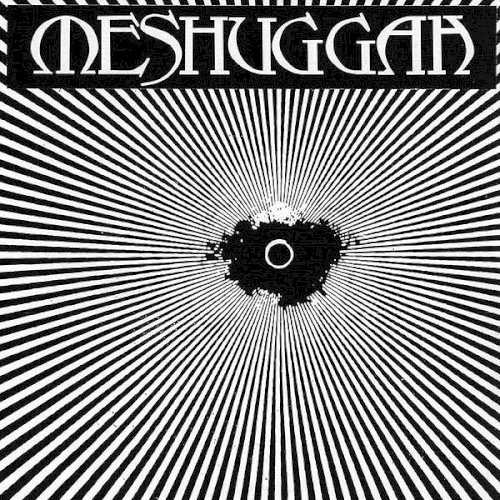 | Album: 1 of 18 Title: Meshuggah Released: 1989 Tracks: 3 Duration: 19:42 Scroll: Up Down Top Bottom 25% 50% 75% Wikipedia AlbumCover | 1 Cadaverous Mastication (07:51) 2 Sovereigns Morbidity (04:31) 3 Debt of Nature (07:20) |
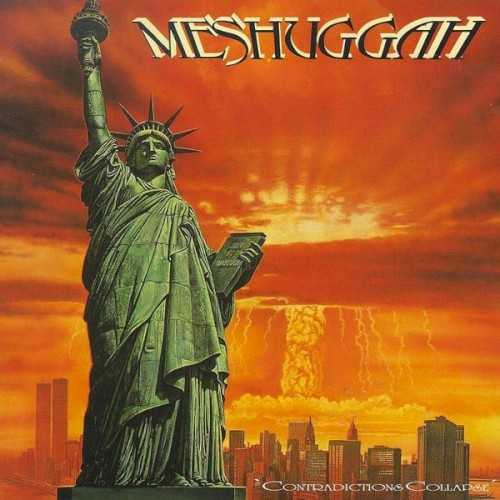 | Album: 2 of 18 Title: Contradictions Collapse Released: 1991-05 Tracks: 13 Duration: 1:19:07 Scroll: Up Down Top Bottom 25% 50% 75% Spotify Allmusic Wikipedia AlbumCover | 1 Paralyzing Ignorance (04:27) 2 Erroneous Manipulation (06:20) 3 Abnegating Cecity (06:31) 4 Internal Evidence (07:28) 5 Qualms of Reality (07:07) 6 Well Never See the Day (06:03) 7 Greed (07:06) 8 Choirs of Devastation (04:00) 9 Cadaverous Mastication (07:31) 10 Humiliative (05:17) 11 Sickening (05:46) 12 Ritual (06:17) 13 Gods of Rapture (05:09) |
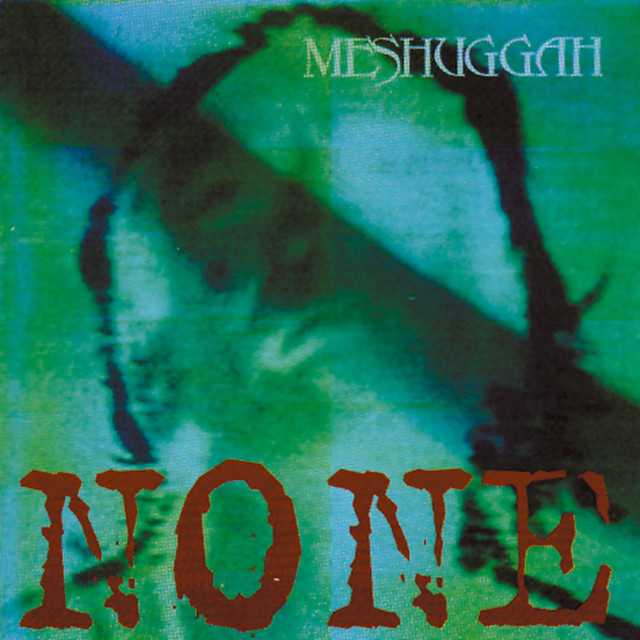 | Album: 3 of 18 Title: None Released: 1994-11-08 Tracks: 5 Duration: 33:15 Scroll: Up Down Top Bottom 25% 50% 75% Spotify AlbumCover | 1 Humiliative (05:17) 2 Sickening (05:46) 3 Ritual (06:17) 4 Gods of Rapture (05:09) 5 Aztec Two-Step (10:44) |
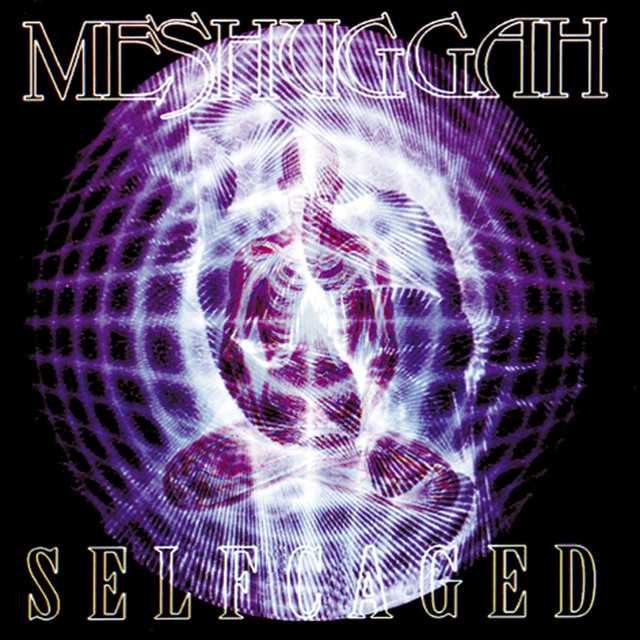 | Album: 4 of 18 Title: Selfcaged Released: 1995 Tracks: 4 Duration: 19:04 Scroll: Up Down Top Bottom 25% 50% 75% Spotify Wikipedia AlbumCover | 1 Vanished (05:34) 2 Suffer in Truth (04:26) 3 Inside What’s Within Behind (04:10) 4 Gods of Rapture (live) (04:53) |
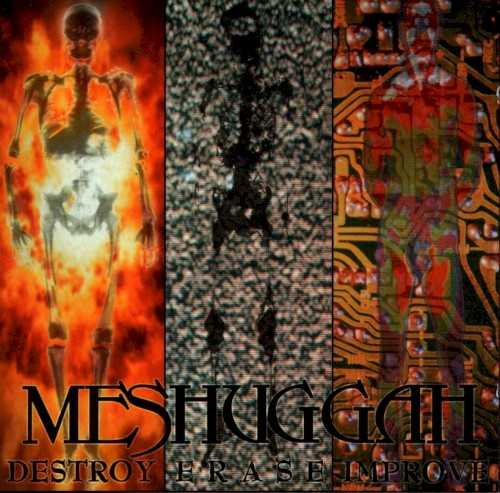 | Album: 5 of 18 Title: Destroy Erase Improve Released: 1995-05-05 Tracks: 15 Duration: 1:16:19 Scroll: Up Down Top Bottom 25% 50% 75% Spotify TrackSamples Wikipedia Allmusic AlbumCover | 1 Future Breed Machine (05:48) 2 Beneath (05:38) 3 Soul Burn (05:17) 4 Transfixion (03:33) 5 Vanished (05:04) 6 Acrid Placidity (03:16) 7 Inside What’s Within Behind (04:30) 8 Terminal Illusions (03:47) 9 Suffer in Truth (04:20) 10 Sublevels (05:14) 11 Vanished (05:34) 12 Suffer in Truth (04:26) 13 Inside What’s Within Behind (04:10) 14 Gods of Rapture (live) (04:53) 15 Aztec Two-Step (10:44) |
| Destroy Erase Improve : Allmusic album Review : With Destroy Erase Improve, Meshuggah shattered any preconceived notions about what death, thrash, and prog metal could be with one astoundingly accurate, calculated blow. The Swedish outfit managed to surpass their startlingly original, if relatively immature debut, Contradictions Collapse, with a record so pure in concept and execution, it borders on genius. Lyrical themes visualize the integration of machines with organisms as humanitys next logical evolutionary step, while the music backing it up is mind-bogglingly technical, polyrhythmic math metal -- the work of highly skilled men with powerful instruments. While the idea looks unwieldy on paper, Meshuggah handles it with a balance of raw guts and sheer brainpower, weaving hardcore-style shouts amongst deceptively (and deviously) simple staccato guitar riffs and insanely precise drumming -- often with all three components acting in different time signatures. Guitarist Fredrik Thordendal adds an element of weirdness with Allan Holdsworth-style neo-jazz fusion leads that serve as melodic oases amidst the jackhammer rhythms. While such bold, challenging arrangements could result in a wank-fest or, even worse, a chaotic mess, Meshuggah carefully synchronizes their bludgeoning instrumentation, embracing minimalism without excess and playing to the power of the song so the listener isnt neck-deep in over-composed indulgences. As a result, "Future Breed Machine," "Suffer in Truth," and "Soul Burn" are mind-bogglingly profound, integrating body, mind, and soul into a violently precise attack, the point being that change can be extraordinarily difficult -- if not maddening -- but the results are transcendent. While industrial metallers Fear Factory have attempted to tackle similar themes, Meshuggah outclasses them on all fronts, proved by the stunning brilliance of Destroy Erase Improve. The album is a bona fide 90s classic, a record boasting ideas so well-balanced -- natural yet clinical, guttural yet intelligent, twisted yet concise -- it muscled simplistic subgenres out of the way and confidently pointed toward the future of metal. | ||
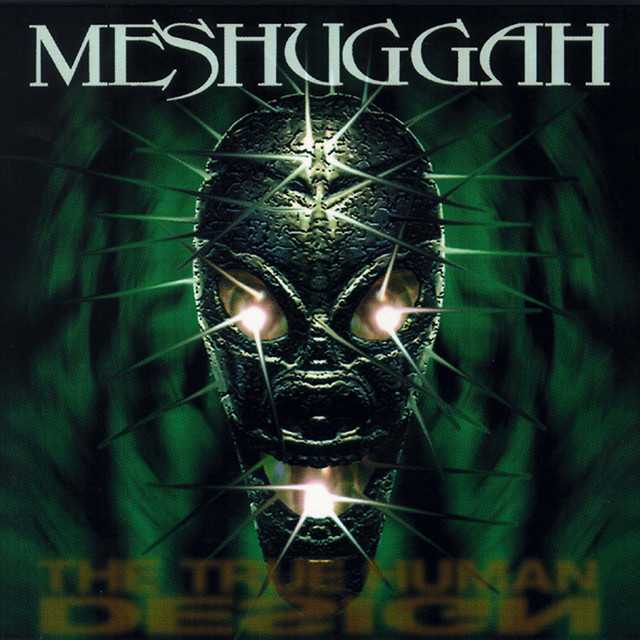 | Album: 6 of 18 Title: The True Human Design Released: 1997-08-19 Tracks: 6 Duration: 35:39 Scroll: Up Down Top Bottom 25% 50% 75% Spotify Wikipedia AlbumCover | 1 Sane (04:07) 2 Future Breed Machine (live) (05:29) 3 Future Breed Machine (Mayhem version) (08:12) 4 Futile Bread Machine (Campfire version) (03:30) 5 Quants Quantastical Quantasm (07:31) 6 Friends Breaking & Entering (06:48) |
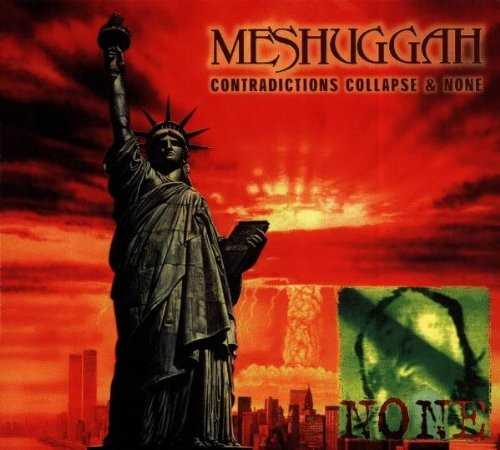 | Album: 7 of 18 Title: Contradictions Collapse / None Released: 1998-01-26 Tracks: 13 Duration: 1:19:07 Scroll: Up Down Top Bottom 25% 50% 75% Allmusic AlbumCover | 1 Paralyzing Ignorance (04:27) 2 Erroneous Manipulation (06:20) 3 Abnegating Cecity (06:31) 4 Internal Evidence (07:28) 5 Qualms of Reality (07:07) 6 Well Never See the Day (06:03) 7 Greed (07:06) 8 Choirs of Devastation (04:00) 9 Cadaverous Mastication (07:31) 10 Humiliative (05:17) 11 Sickening (05:46) 12 Ritual (06:17) 13 Gods of Rapture (05:09) |
| Contradictions Collapse / None : Allmusic album Review : Meshuggahs debut album, Contradictions Collapse, was originally released in 1991, albeit not in the U.S.; Nuclear Blasts 1999 stateside reissue appends the None EP. In contrast to their later, more progressive-oriented work, the album generally falls into the alternative metal category, with ultra-heavy riffs and hints of hip-hop or industrial dance in the drum patterns. Although its not quite as accomplished as their later work, its certainly a worthwhile listen, especially for devoted fans. | ||
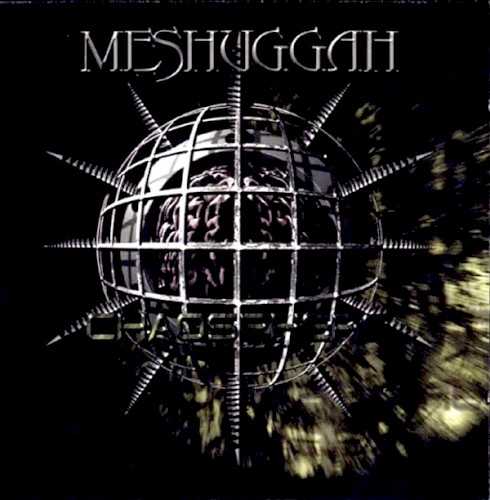 | Album: 8 of 18 Title: Chaosphere Released: 1998-11-09 Tracks: 8 Duration: 47:26 Scroll: Up Down Top Bottom 25% 50% 75% Spotify Wikipedia Allmusic AlbumCover | 1 Concatenation (04:17) 2 New Millennium Cyanide Christ (05:35) 3 Corridor of Chameleons (05:02) 4 Neurotica (05:19) 5 The Mouth Licking What You’ve Bled (03:57) 6 Sane (03:48) 7 The Exquisite Machinery of Torture (03:55) 8 Elastic (15:30) |
| Chaosphere : Allmusic album Review : When the likes of Cannibal Corpse and Obituary came about and pleased every butt-rocking wannabe Satanist out there, a term such as "intellectual death metal" was only thought of as just an oxymoron. That was before Meshuggah came out and outsmarted all these suburban burnouts. Sure "Chaosphere" flaunts the flaming guitar solo every now and then, and dont forget their tendency of trying to come across as all dark and evil. But what Meshuggah have over all the carbon copy death metal acts out there is that they focus primarily on knowing how to play their instruments and segue tempo changes rather than trying to outspeed and outgrowl everybody. Seriously, each song will have one guessing on which direction the band is going to take next. Who would have thought that there would be a band that could respark a genre that was long thought overdone after the second Napalm Death record? | ||
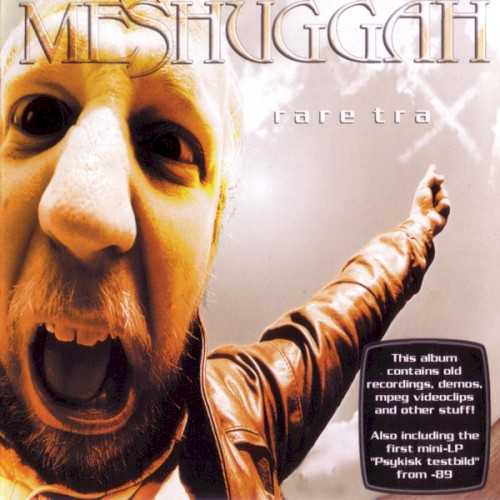 | Album: 9 of 18 Title: Rare Trax Released: 2001 Tracks: 10 Duration: 55:06 Scroll: Up Down Top Bottom 25% 50% 75% Spotify Allmusic Wikipedia AlbumCover | 1 War (02:48) 2 Cadaverous Mastication (07:51) 3 Sovereigns Morbidity (04:31) 4 Debt of Nature (07:20) 5 By Emptyness Abducted (04:51) 6 Don’t Speak (03:28) 7 Abnegating Cecity (demo version 90) (06:24) 8 Internal Evidence (demo version 90) (07:01) 9 Concatenation (remix) (06:17) 10 Ayahuasca Experience (04:32) |
| Rare Trax : Allmusic album Review : As the name implies, Rare Trax is a compilation of hard-to-find tracks from the distant Meshuggah past. Included with a digital reawakening of the bands limited-to-1,000-vinyl-LPs debut (known as Psykisk Testbild even though it was technically eponymous) are demo cuts culled from throughout the bands history. It is interesting how the likes of "Sovereigns Morbidity" have an Exodus-like quality to them, especially since the band has since left such influences behind, and the self-effacing self-penned liner notes are amusing. However, Meshuggah has progressed to a much different (dare say, better) place over the years, and like most odds-and-sods comps, Rare Trax is best saved for nostalgic completists. | ||
 | Album: 10 of 18 Title: Nothing Released: 2002-08-06 Tracks: 10 Duration: 53:11 Scroll: Up Down Top Bottom 25% 50% 75% Spotify Wikipedia Allmusic AlbumCover | 1 Stengah (05:38) 2 Rational Gaze (05:04) 3 Perpetual Black Second (04:38) 4 Closed Eye Visuals (07:25) 5 Glints Collide (04:55) 6 Organic Shadows (05:07) 7 Straws Pulled at Random (05:10) 8 Spasm (04:14) 9 Nebulous (06:33) 10 Obsidian (04:22) |
| Nothing : Allmusic album Review : Within the realms of metal, few bands are more esoteric and left-brained than Meshuggah. These Swedes make music for clinically minded deconstructionists, and one really has to reduce Meshuggahs sound to its individual elements before seeing the overall picture. Nothing, their fourth full-length slab, only further cements their place as masterminds of cosmic calculus metal -- call it Einstein metal if you want -- and, to their credit, theyre really the only ones to fall into said sub-subgenre. When odd riff cycles, robotic death vocals, neo-jazz chromatics, and mathematical songwriting are your primary weapons, it would seem easy to paint yourself into a corner creatively -- so where is Meshuggah to go after Destroy Erase Improve, the bands powerful statement of intent, and its follow-up, the suffocatingly violent and clattery Chaosphere? Well, besides being heavier -- guitarists Marten Hagstrom and Fredrik Thordendal used eight-string guitars to give extra growl to their off-kilter, occasionally dissonant chording -- the appropriately titled Nothing boasts more spacious arrangements, the jarring tempo and time shifts colliding with each other until the songs collapse on themselves like black holes (see "Glints Collide" and the seven-plus minutes of "Closed Eye Visual"). From there, light bends into "Nothing," the theme of the record rooted in existentialism and the psychic trauma it causes on the brain -- and so goes the cranium stretching, through "Straws Pulled at Random," "Spasm," and the creepily invigorating lunar strains of "Obsidian," all being anti-melodic, teeth-grinding jaunts into opaque mathematical regions, importing small amounts of Tools psychedelia into the groups Death-by-way-of-Gang of Four sonic maelstrom. Nothing truly gives new meaning to the word heavy, redefining boundaries by pushing metal into the realms of abstract science; for those lucky enough to be tuned into Meshuggahs unique wavelength, the album, like all good art, tickles the subconscious while probing both the internal (the mind) and the external (space). And when Meshuggah explores, its into uncharted territory. If only more metal bands could be so daring. | ||
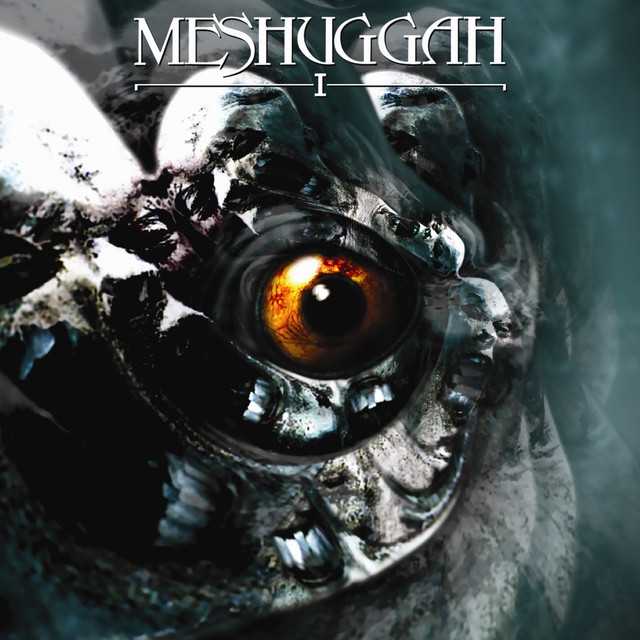 | Album: 11 of 18 Title: I Released: 2004-09-14 Tracks: 1 Duration: 21:00 Scroll: Up Down Top Bottom 25% 50% 75% Spotify Wikipedia AlbumCover | 1 I (21:00) |
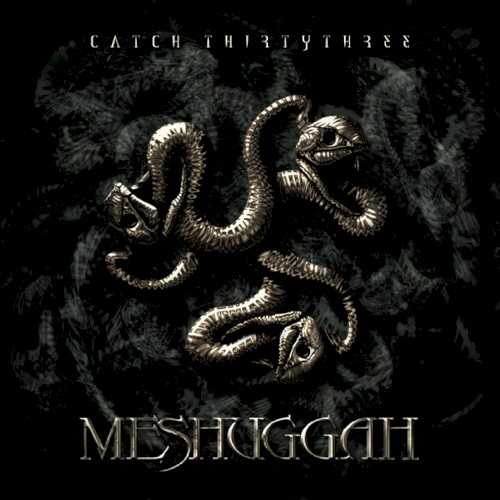 | Album: 12 of 18 Title: Catch Thirtythree Released: 2005-05-16 Tracks: 13 Duration: 47:15 Scroll: Up Down Top Bottom 25% 50% 75% Spotify Wikipedia Allmusic AlbumCover | 1 Autonomy Lost (01:40) 2 Imprint of the Un-Saved (01:36) 3 Disenchantment (01:44) 4 The Paradoxical Spiral (03:11) 5 Re-Inanimate (01:04) 6 Entrapment (02:28) 7 Mind’s Mirrors (04:29) 8 In Death - Is Life (02:01) 9 In Death - Is Death (13:22) 10 Shed (03:34) 11 Personae Non Gratae (01:47) 12 Dehumanization (02:55) 13 Sum (07:18) |
| Catch Thirtythree : Allmusic album Review : Though they probably never intended it to, Meshuggahs 2004 EP I -- featuring a single 21-minute song -- helped open new possibilities at a crucial career juncture for the long-heralded Swedish originals. Thats because, for all of the justified acclaim at having established a wholly unique and instantly recognizable sonic imprint, Meshuggahs recent efforts had started to seem a little tired and repetitive, leading some critics to accuse the band of treading water in a progressive death metal pool of its own creation. Fair assumption or not, the group wisely decided to replicate and extend that single-song strategy on 2005s appropriately named Catch Thirty-Three; although the reality that its virtually nonstop 47 minutes are in fact broken down into 13 sections could also be viewed as a not so elaborate ruse to disguise just another, typical Meshuggah LP. After all, many of those breaks are totally arbitrary (the first three, sub-two-minute tunes, for instance, offer no good reasons as to why they shouldnt have been labeled as one title) and a considerable number of subdivisions ("Autonomy Lost," "The Paradoxical Spiral," "In Death -- Is Life," "Personae Non Gratae," etc.) still find Meshuggah wailing away on that familiar template combining harsh vocals and nightmarish melodies over coarse, mechanically advancing, oddball tempos. However, its also apparent that, by doing away with the rigid formality (real or perceived) of individual song breaks, the band has bolstered its confidence for exploring ambient sounds and quieter dynamics. "In Death -- Is Death" offers the prime example with its interspersed bouts of noise and silence, but the adventurousness continues over uncharacteristically melodic portions of "Dehumanization" and the mild case of electronics and programming (as well as robotic voices) heard on "Minds Mirrors." And whatever your opinion about all of these conspiracy theories, theres no question that on "Shed," with its tribal percussion and whispered vocals, Meshuggah deliver a masterful career highlight. So, in conclusion, does all this mean that Catch Thirty-Three represents a radical shift for the band? Not quite, but it does take care to fulfill the expectations of longtime fans while breaking enough new ground to feel like a potential bridge to continuing innovation -- not treading water -- in the very near future. | ||
 | Album: 13 of 18 Title: obZen Released: 2008-03-07 Tracks: 9 Duration: 52:25 Scroll: Up Down Top Bottom 25% 50% 75% Spotify Allmusic Wikipedia AlbumCover | 1 Combustion (04:08) 2 Electric Red (05:51) 3 Bleed (07:22) 4 Lethargica (05:47) 5 obZen (04:24) 6 This Spiteful Snake (04:52) 7 Pineal Gland Optics (05:12) 8 Pravus (05:10) 9 Dancers to a Discordant System (09:36) |
| obZen : Allmusic album Review : On first listen, the sound on Obzen, Meshuggahs sixth full-length, is startling, not for its trademark rapid-fire key and tempo changes, or for the intricate, insanely knotty riffs that careened over 2002s Nothing or 2005s Catch Thirty-Three. Instead, it is the rampaging charge that leads off the set on "Combustion," a balls-out sprint that recalls the bands earlier catalog albums like Contradictions Collapse, Destroy Erase Improve, and even Chaosphere. Power, focus and attention to the bone-crushing power are at the center of Obzen. That said, it loses nothing in terms of the bands keen focus of musical or technical innovation or drummer Tomas Haakes songwriting. What it does leave behind is some of the mathy quick-change-for-the-sake-of-it annoyances that were more a show-off of athletic prowess than actual compositional tropes. The melodic orchestration of Catch Thirty-Three has all but disappeared, and in its place is a direct, almost machine-like sense of communication. Whats most remarkable is the live drum kit work by Haake. Hes constant and startling -- the completely crazy bass pedal work on "Bleed" would leave most drummers in the dust. You have to wonder, since the last album featured so many triggered laptop tooled drums. Again: power, compositional ethics, and musical acumen are all tied to one thing, building a foundation that just gets wider, deeper, and more intense as the album wears on. Check the frenetic slash and burn ethos in "Pineal Gland Optics," where both guitars stagger their rhythmic attack keeping vocalist Jens Kidman on the money the whole time. It gives way to the unwound pummeling drum and guitar solo riff that introduces "Pravus," with its sense of taut dynamics, hair-trigger tensions, and an explosiveness that is literally unequaled. This is sheer attack metal, played by a band that has run from simplicity to excess and incorporated them both into a record that is on a level with anything else theyve done, even if not all the elements marry perfectly yet. Just get it. | ||
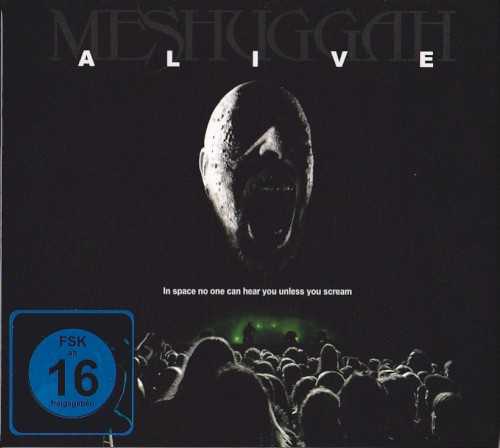 | Album: 14 of 18 Title: Alive Released: 2010-02-05 Tracks: 12 Duration: 1:04:16 Scroll: Up Down Top Bottom 25% 50% 75% Spotify Wikipedia AlbumCover | 1 Perpetual Black Second (04:32) 2 Electric Red (06:02) 3 Rational Gaze (05:35) 4 Pravus (05:21) 5 Lethargica (05:51) 6 Combustion (04:15) 7 Straws Pulled at Random (05:05) 8 New Millennium Cyanide Christ (04:56) 9 Stengah (05:56) 10 The Mouth Licking What Youve Bled (03:24) 11 Humiliative (05:20) 12 Bleed (07:54) |
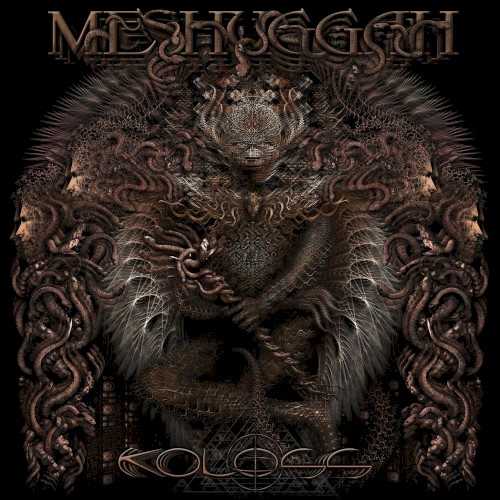 | Album: 15 of 18 Title: Koloss Released: 2012-03-23 Tracks: 10 Duration: 54:45 Scroll: Up Down Top Bottom 25% 50% 75% Spotify Wikipedia Allmusic AlbumCover | 1 I Am Colossus (04:43) 2 The Demons Name Is Surveillance (04:41) 3 Do Not Look Down (04:44) 4 Behind the Sun (06:14) 5 The Hurt That Finds You First (05:34) 6 Marrow (05:37) 7 Break Those Bones Whose Sinews Gave It Motion (06:55) 8 Swarm (05:28) 9 Demiurge (06:16) 10 The Last Vigil (04:33) |
| Koloss : Allmusic album Review : Rather than trying to beat their ever-growing legion of imitators at their own game, Swedish prog metal destroyers Meshuggah look to prove that other bands not only arent in the same league as them, but arent even playing the same sport. On Koloss, their seventh album, they call upon all of their technical mastery as they take a slower, more groove-oriented approach to songwriting thats more about the perfect execution of precisely syncopated riffs than simply getting out there and proving that theyve taken guitar lessons. While restraint isnt necessarily a word one would seem likely to use while describing a band as extreme as Meshuggah, its exactly that quality that makes Koloss such a solid, even airtight, album. With so many years of experience as innovators under their belts, they have the kind of restraint and patience required to not overplay songs like the album-opening "I am Colossus" and the later track "Swarm." Rather than feel the constant need to dazzle the listener with guitar heroics, Meshuggah let everything just unfold in the most brutally heavy and effective way possible. With their status as the old guard on the more progressive end of the extreme music spectrum, Meshuggah have easily proven to listeners time and time again that they know their way around their instruments better than most, so even though Koloss isnt the bands most daring or experimental work to date, its definitely worth any metal fans time. | ||
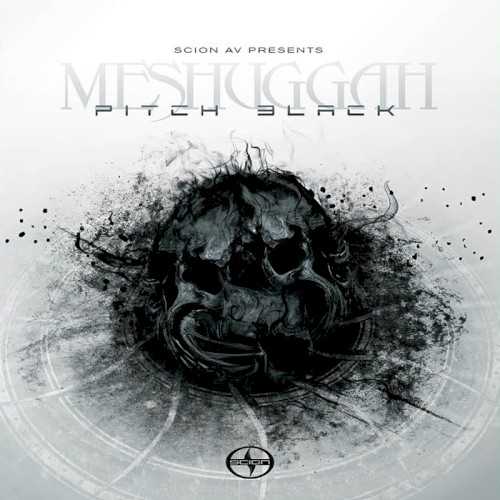 | Album: 16 of 18 Title: Pitch Black Released: 2013-02-04 Tracks: 2 Duration: 15:44 Scroll: Up Down Top Bottom 25% 50% 75% Wikipedia AlbumCover | 1 Pitch Black (05:55) 2 Dancers to a Discordant System (live) (09:48) |
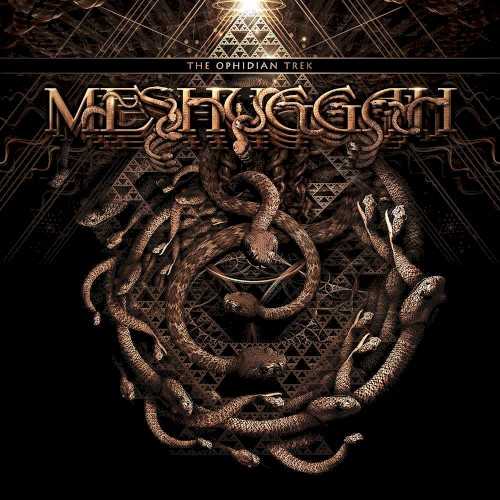 | Album: 17 of 18 Title: The Ophidian Trek Released: 2014-09-26 Tracks: 15 Duration: 1:30:01 Scroll: Up Down Top Bottom 25% 50% 75% Spotify Allmusic Wikipedia AlbumCover | 1 Swarmer (01:58) 2 Swarm (05:22) 3 Combustion (04:21) 4 Rational Gaze (05:03) 5 obZen (05:20) 6 Lethargica (06:04) 7 Do Not Look Down (04:56) 8 The Hurt That Finds You First (05:45) 9 I Am Colossus (04:48) 1 Bleed (07:20) 2 Demiurge (05:18) 3 New Millennium Cyanide Christ (05:08) 4 Dancers to a Discordant System (10:14) 5 Minds Mirrors / In Death - Is Life / In Death - Is Death (14:10) 6 The Last Vigil (04:09) |
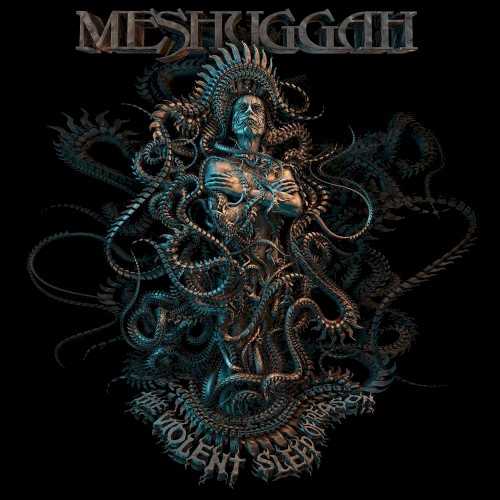 | Album: 18 of 18 Title: The Violent Sleep of Reason Released: 2016-10-05 Tracks: 10 Duration: 58:55 Scroll: Up Down Top Bottom 25% 50% 75% Spotify Allmusic Wikipedia AlbumCover | 1 Clockworks (07:15) 2 Born in Dissonance (04:34) 3 MonstroCity (06:13) 4 By the Ton (06:04) 5 Violent Sleep of Reason (06:51) 6 Ivory Tower (04:59) 7 Stifled (06:31) 8 Nostrum (05:15) 9 Our Rage Won’t Die (04:41) 10 Into Decay (06:32) |
| The Violent Sleep of Reason : Allmusic album Review : Meshuggah are simultaneously credited and maligned for the creation of "djent," a sound that has spawned countless -- and mostly bad -- imitators. But these Swedes have never tried to sound like anyone but themselves, each album carving that track further into metal history. A year shy of their 30th anniversary, the quintet offers another set of intensely syncopated, technical, hard-grooving metal that is not remarkably different than anything theyve done before. That said, its still intricate as hell, meticulously composed, ridiculously complex, and executed with a manic precision beyond the imagination of most metal mortals. The Violent Sleep of Reason doesnt try to reinvent the wheel but to reaffirm its purpose. That said, this date marks the first time since 1994s None EP that the Swedes have recorded organically -- i.e., absolutely live -- in the studio without overdubs or error correction in post-production. As a result, this recording captures their monstrous agility and adrenaline-drenched physical athleticism; it articulates the power-surging explosiveness their shows do but in much higher fidelity. Arguably, Meshuggah havent displayed this kind of unhinged energy on an album since Chaosphere at the end of the last century. They make their case on album opener (and longest cut at over seven minutes) "Clockworks." The jams brutal riffs and spiky, spiraling guitar solos are simultaneously punishing and almost unearthly, but Tomas Haakes groove-laden slamming, hyper-limber drumming steals the show. The tonal contrast in the guitar and bass riffs on "Born in Dissonance" is easier to grasp, but the stop-on-a-dime changes and double-time drumming -- coupled with squalling solos and sub-vamps -- turn this notion on its head. The title track is disorienting initially; it commences in forward motion without a backbeat. Its like the songs obliterating breakdown bridge (sans anchoring rhythm) became its intro. Jens Kidmans lyric delivery about disastrous regional and international military conflicts, natural disasters, and class tensions is appended by Fredrik Thordendals angular lead guitar that duels with Mårten Hagströms dissonant six-string riffs, interlocking Haake rhythms, and Dick Lövgrens bass whomp. While "Stifled" is slower with all its detuned guitar and bass weirdness and intense breakdown mania, it benefits from a wandering, labyrinthine Thordendal solo. Closer "Into Decay" is the physical bookend to "Clockworks" but its sludgy as hell. Because of the guitar and bass distortion and initially slow pace, its various tonalities, syncopation, and riffing tech are temporarily obscured; they establish their presence inside two minutes, as the band swells and collides in a tremendous clashing finish. On The Violent Sleep of Reason, Meshuggah set out simply to capture the energy of their live shows in the studio. They accomplish that in spades, and reaffirm why they dont need to worry about innovation: their writing and playing accomplish that in their very nature. | ||