Opeth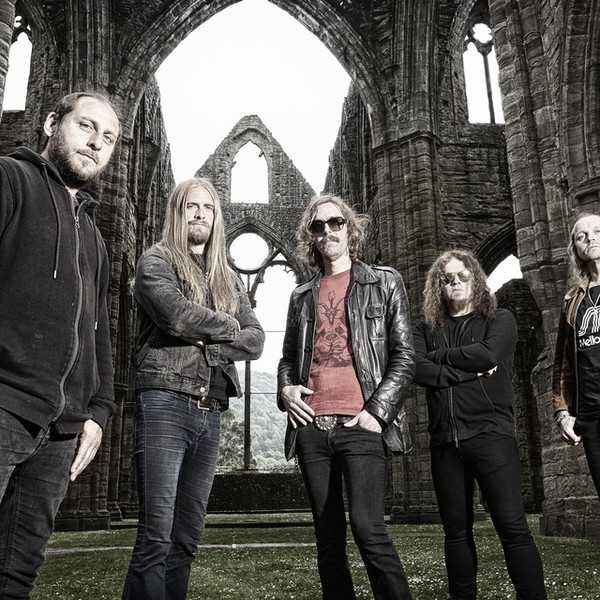 | ||
| Allmusic Biography : Brought together in Stockholm by guitarists Peter Lindgren and Mikael Åkerfeldt in 1990, Opeth added progressive influences and acoustic instrumentation to their brand of Swedish death metal. As the group progressed, it was very common for an Opeth live set to fly in several different musical directions -- and an average song lasted no less than ten minutes. Impressed by their originality, Candlelight Records released their debut full-length in 1995, which was titled Orchid, and featured a rhythm section of bassist Johan de Farfalla and drummer Anders Nordin. Edge of Sanity mastermind Dan Swano produced the bands ambitious second album, Morningrise, in 1996, after which they embarked on a brief tour with Morbid Angel. Century Media took notice and not only licensed Opeths first two albums for the United States, but also planned on releasing their next album on both sides of the Atlantic. With the recruitment of bassist Martin Mendez and drummer Martin Lopez (ex-Amon Amarth) to replace the departed de Farfalla and Nordin, Opeths third album, My Arms, Your Hearse, was released in 1998 to glowing reviews, establishing the band as a leading force in progressive metal with death roots. Released in 1999, Still Life displayed even more of the bands prog rock influences, and the following year the band played its first U.S. concert at the Milwaukee Metalfest. Blackwater Park, titled after an obscure psychedelic prog outfit from the 70s, was released in early 2001. The album created a huge buzz among progressive metal fans, who had begun to lump the band in with other experimental metal bands like Tiamat. Instead of waiting until the buzz died down, the band released Deliverance in the fall of 2002. The following year, Opeth surprised fans with the release of Damnation, an album that was almost completely devoid of any heavy metal trappings and focused instead on acoustic instruments and traditional songwriting. Ghost Reveries arrived in 2005 and proved to be a return to form for the band. Opeth returned in 2007 with Roundhouse Tapes: Opeth Live, and in 2008 with the all-new studio album Watershed. In 2010, the band followed up with another live album, In Live Concert at the Royal Albert Hall. The set was recorded at the famous London venue and featured the band playing its breakout album, Blackwater Park, in its entirety. Opeth shifted stylistic gears dramatically for 2011s Heritage. While writing for the album, Åkerfeldt fell under the spell of the music of Swedish folk music, Alice Cooper, and many spaces between. The sound, while remaining Opeths, was also quite different, far more prog than death metal. In fact, if anything, it was the sound of the band leaving death metal behind. The albums cover was loaded with symbolism depicting the change. Heritage was also the last Opeth recording to feature keyboardist Per Wiberg. The album was released in September on Roadrunner. The new musical direction displayed on Heritage was the origin for the next chapter in the bands musical evolution. After a global tour and a long rest, the band returned to recording in Sweden with mixing engineer Steven Wilson. Pale Communion, released in August of 2014, signaled the bands complete embrace of prog rock. Opeth signed to Nuclear Blast in June of 2016 and announced a new album titled Sorceress with the release of a teaser video. In July, they issued the first of eight YouTube webisodes, revealing that the album had been recorded in 12 days at Rockfield Studios in Wales -- the same location where the band cut Pale Communion. Sorceress was released at the end of September in the middle of their American tour. | ||
 | Album: 1 of 23 Title: Orchid Released: 1995-05-15 Tracks: 8 Duration: 1:11:49 Scroll: Up Down Top Bottom 25% 50% 75% Spotify Allmusic AlbumCover | 1 In Mist She Was Standing (14:09) 2 Under the Weeping Moon (09:52) 3 Silhouette (03:07) 4 Forest of October (13:05) 5 The Twilight Is My Robe (11:01) 6 Requiem (01:11) 7 The Apostle in Triumph (13:01) 8 Into the Frost of Winter (06:20) |
| Orchid : Allmusic album Review : Opeths debut, Orchid, was quite an audacious release, a far-beyond-epic prog/death monstrosity exuding equal parts beauty and brutality -- an album so brilliant, so navel-gazingly pretentious that, in retrospect, Opeths future greatness was a foregone conclusion. Fact is, these Swedes -- with the opening cut, "In Mist She Was Standing," exceeding the 14-minute mark -- laid their cards on the table at the beginning of the hand and still took the pot, so ambitious and convincing is the bands artistic vision. And while the record finds the group searching for the razor-sharp focus and prominent emotional hook put forth on the later, classic releases My Arms, Your Hearse, Still Life, and Blackwater Park, Orchid is still an exhilarating listen, with the band meshing double-time death tempos with bleak, frostbitten riffs and moodily expansive, jazz-influenced, melodic instrumental passages sporting an abundance of delicate acoustic guitars and pianos. Mastermind Mikael Akerfeldts guttural growls puncture the nearly interminable arrangements with the kind of brutality that stops die-hard death and black metal fans from giving up on the lengthy arrangements completely, although with five exorbitant cuts clocking in at ten-plus minutes (three of them over 13 minutes), some fat-trimming would have kept things even remotely manageable. Still, one has to admire Opeths unwavering adherence to the albums astoundingly depressive tone, Orchid being a near-brilliant ode to misery that would kick the door down for Akerfeldt and his cohorts to claim sole ownership of a well-conceived and, at the time, startlingly unique sound. [Note: Orchid was originally released in 1995 and reissued in 2000 by London-based label Candlelight with a bonus track, "Into the Frost of Winter," a considerably gritty, unproduced rehearsal recording from 1992; not surprisingly, the bandmembers vastly improved their songwriting and instrumental skills prior to Orchids release. Parts of the track would eventually morph into the song "Advent" on Opeths 1996 album Morningrise.] | ||
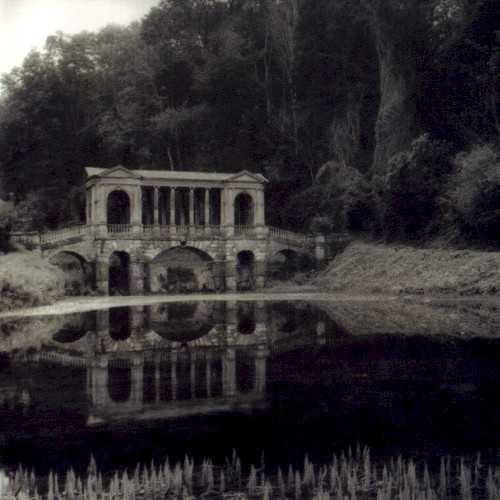 | Album: 2 of 23 Title: Morningrise Released: 1996-06-24 Tracks: 5 Duration: 1:06:02 Scroll: Up Down Top Bottom 25% 50% 75% Spotify Allmusic AlbumCover | 1 Advent (13:44) 2 The Night and the Silent Water (10:59) 3 Nectar (10:09) 4 Black Rose Immortal (20:14) 5 To Bid You Farewell (10:54) |
| Morningrise : Allmusic album Review : While they have taken a different approach with each album, Opeth has a very distinct and instantly recognizable sound: somber, mysterious, and very serious. Their style falls at a meeting point between melodic Swedish death metal and 70s progressive rock, though without any of the technical busyness that description might imply. Morningrise is, as far as the metal scale goes, possibly their least heavy album; it also contains their longest songs -- just five of them, ranging in length from ten to 20 minutes. The tracks all take their time developing, shifting back and forth from full-on metal sections (marked by distorted dual guitar riffs and growling vocals) to calm, acoustic guitar-based passages with more softly sung vocals. These shifts happen much like scenes changes in a movie, as there is very little repetition within the songs, and there are sometimes distinct pauses separating one section from the next. In fact, given the strongly narrative lyrics (which primarily revolve around the subject of a lost lover), the tracks here could best be described as miniature audio movies. This is a very painstakingly put-together album, and listeners will have to have some patience in order to mentally piece it all together. Some will be turned off by the long songs and the cold, gray atmosphere the album gives off, but for those who are on this bands wavelength and willing to show some patience, this album will repay many, many repeat listens. | ||
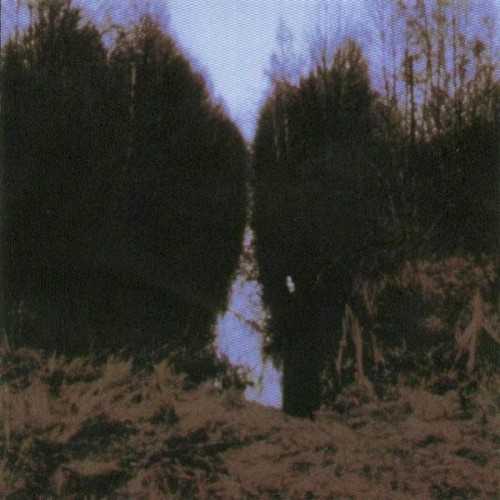 | Album: 3 of 23 Title: My Arms, Your Hearse Released: 1998-06-15 Tracks: 11 Duration: 1:02:48 Scroll: Up Down Top Bottom 25% 50% 75% Spotify Allmusic AlbumCover | 1 Prologue (00:59) 2 April Ethereal (08:41) 3 When (09:14) 4 Madrigal (01:26) 5 The Amen Corner (08:43) 6 Demon of the Fall (06:13) 7 Credence (05:26) 8 Karma (07:50) 9 Epilogue (04:02) 10 Circle of the Tyrants (05:12) 11 Remember Tomorrow (04:59) |
| My Arms, Your Hearse : Allmusic album Review : On their third album -- and first to be released simultaneously in Europe and the U.S. -- Opeth continue to refine their epic, progressive death metal style, replete with harmonized leads and acoustic passages. My Arms, Your Hearse flows logically from one composition to the next, and the mostly long songs have enough variation in texture and mood to hold the listeners interest fairly consistently. | ||
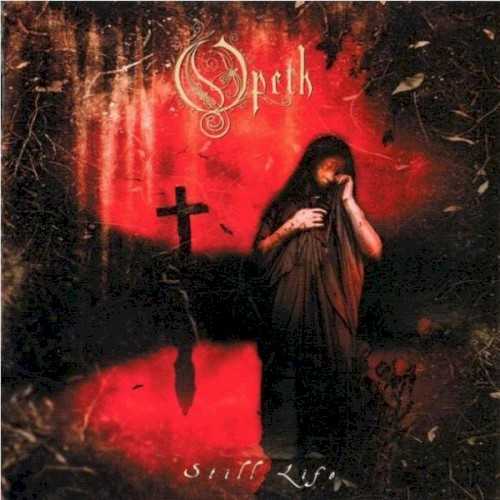 | Album: 4 of 23 Title: Still Life Released: 1999-10-18 Tracks: 7 Duration: 1:02:29 Scroll: Up Down Top Bottom 25% 50% 75% Spotify Wikipedia Allmusic AlbumCover | 1 The Moor (11:26) 2 Godhead’s Lament (09:47) 3 Benighted (05:00) 4 Moonlapse Vertigo (09:00) 5 Face of Melinda (07:58) 6 Serenity Painted Death (09:13) 7 White Cluster (10:02) |
| Still Life : Allmusic album Review : Having taken their oppressive black metal symphonies to their furious zenith with their third effort, My Arms, Your Hearse, Swedens Opeth began deconstructing their sound on 1999s brilliant Still Life. A logical next step in their evolution, the album finds the band re-examining their unlikely fusion of progressive rock and black metal to highlight the former while staying in touch with the latter. The result is a formidable splicing of harsh, often jagged guitar riffs with graceful melodies, and the increasing use of Mikael Åkerfeldts "clean" vocals (alternated with his ever-present death growl). This tactic only serves to spotlight the quality of Åkerfeldts lyrics (a rarity in extreme metal circles) and, in the tradition of prior efforts, Still Life is a full-fledged concept album, which, without going into unnecessary details, centers around a tale of unrequited love for a character called Melinda (a discreet reference to Mercyful Fates early-80s classic Melissa, perhaps?). Also new to the mix are a wealth of more dynamic, almost groove-oriented riffs (see "Godheads Lament" and "Serenity Painted Death") which break away from the Wall of Sound overtures of the past. On the other hand, outstanding, multifaceted epics like "The Moor," "Moonlapse Vertigo," and "White Cluster" carry on in the proud Opeth tradition. The all-acoustic "Benighted" is the albums only one-dimensional track (and a beauty it is, too), while the awesome "Face of Melinda" represents a new career high with its quietly building atmosphere and powerful finale. Ultimately, this is another star turn for the group, and the fact that they somehow managed to outdo themselves with their next work, Blackwater Park, is a testament to Opeths greatness. | ||
 | Album: 5 of 23 Title: Blackwater Park Released: 2001-03-12 Tracks: 8 Duration: 1:07:13 Scroll: Up Down Top Bottom 25% 50% 75% Spotify TrackSamples Wikipedia Allmusic AlbumCover | 1 The Leper Affinity (10:23) 2 Bleak (09:15) 3 Harvest (06:01) 4 The Drapery Falls (10:53) 5 Dirge for November (07:53) 6 The Funeral Portrait (08:44) 7 Patterns in the Ivy (01:52) 8 Blackwater Park (12:08) |
| Blackwater Park : Allmusic album Review : Not since the release of Tiamats groundbreaking masterpiece Wildhoney in 1994 had the extreme metal scene witnessed such an overwhelming show of fan enthusiasm and uniform critical praise as that bestowed upon Blackwater Park, the astounding fifth effort from Swedish metal titans Opeth. A work of breathtaking creative breadth, Blackwater Park (named after an obscure German progressive rock outfit from the 1970s) keeps with Opeths tradition by transcending the limits of death/black metal and repeatedly shattering the foundations of conventional songwriting, to boot. Rarely does a band manage to break new ground without losing touch with its roots, but Opeth has made a career of it -- perhaps never as effortlessly as on this occasion. But the biggest difference between Blackwater Park and previous offerings lies not in the remarkably high songwriting standards achieved by main man Mikael Åkerfeldt (thats a given with him), but in the first-time involvement of Porcupine Tree leader Steve Wilson, whose contributions as producer lend an unprecedented fluidity to Opeths restlessly inventive arrangements. Like all Opeth LPs, Blackwater Park is divided not so much into songs as "movements," as the band likes to call them. Tracks start and finish in seemingly arbitrary fashion, usually traversing ample musical terrain, including acoustic guitar and solo piano passages, ambient soundscapes, stoner rock grooves, and Eastern-tinged melodies -- any of which are subject to savage punctuations of death metal fury at any given moment. Likewise, Åkerfeldts vocals run the gamut from bowel-churning grunts to melodies of chilling beauty -- depending on each movement sections mood. With all this in mind, singling out specific highlights is pretty much a futile exercise; but for the benefit of first-time listeners, why not start out with the colossal, Arabian-flavored riffs of "Bleak," the memorable chorus of "The Drapery Falls," the surprisingly gentle intro of "Dirge for November," and, finally, the all-encompassing title track. Then, with patience (Opeths music is everything but immediate), the rest of Blackwater Parks grand scheme will be revealed. As for more experienced Opeth disciples, few will disagree with the fact that, even compared to lofty prior achievements, Blackwater Park is surely the bands coming-of-age album, and therefore, an ideal introduction to its remarkable body of work. | ||
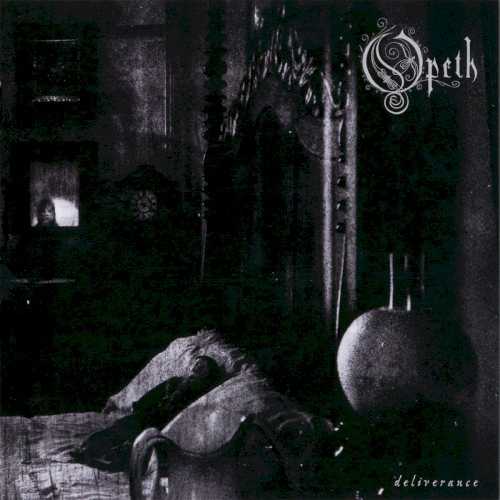 | Album: 6 of 23 Title: Deliverance Released: 2002-11-04 Tracks: 6 Duration: 1:01:49 Scroll: Up Down Top Bottom 25% 50% 75% Spotify Wikipedia Allmusic AlbumCover | 1 Wreath (11:10) 2 Deliverance (13:36) 3 A Fair Judgement (10:24) 4 For Absent Friends (02:17) 5 Master’s Apprentices (10:32) 6 By the Pain I See in Others (13:50) |
| Deliverance : Allmusic album Review : Following up a nearly ubiquitous critical smash such as 2000s Blackwater Park might seem like a daunting proposition for most bands, but Swedens Opeth has made a career out of proving it is not just any other band, wowing observers with its boundless creativity and seemingly effortless brilliance. With producer (and Porcupine Tree leader) Steve Wilson once again on hand to assist in Opeths quest to remain true to its origins while progressing ever forward, the bands sixth volume, Deliverance offers no great departure by established standards, but rather continues exploring the possibilities of this very fruitful relationship. And sure enough, for all of its continued aggression and overall compliance with death metals key elements -- blastbeat drumming runs, Mikael Akerfeldts frequently croaked vocals and eternally bleak lyrics -- Deliverance is altogether more subtle than any of its predecessors, approaching listeners with haunting nuances and masterful dynamics rather than overwhelming them with sheer mass and complexity. Dominated as always by imposing ten-plus minute musical movements, this is creative evolution driven to perfection. Both opener "Wreath" and the ensuing title track eschew traditionally crushing death metal riffs for no less pummeling, hammered staccatos delivered with near-industrial precision. Besides providing a magnificent showcase for drummer Martin Lopez, these performances are so astoundingly fluid that some listeners may find themselves crying for the wild mood swings and harsh time changes of works past -- never realizing that they are all still here, only the transitions are so well orchestrated, one does not initially recognize them. The culmination of this quest for fluidity, third movement "A Fair Judgement" is not only the albums most accessible number, its arguably also the best. Clearly the evolutionary successor to previous dam-bursting experiments such as Still Lifes "Face of Melinda" and Blackwater Parks "The Drapery Falls," its striking harmonies are borne out with a stately, elegant grace punctuated by what is sure to be one of the years most beautiful guitar solos. A two-minute acoustic interlude called "For Absent Friends" allows for a short break prior to the albums two equally challenging but rewarding final epics, the incredibly multifaceted "Masters Apprentices" and the especially violent "By the Pain I See in Others." All in all, some naysayers could very well label Deliverance as something of a Blackwater Park redux, but this would be a shortsighted reaction given the albums remarkable individual achievement. The fact remains that Opeth is still quite without peer in its contribution to advancing the cause of heavy metal in the new millennium, and in that light, Deliverance stands as yet another work of towering vision from this incredible band. [Deliverance does leave a few unanswered questions, however, seeing as it originally comprised only half of a proposed double-disc set, the second of which was eventually rescheduled for separate release at a later date.] | ||
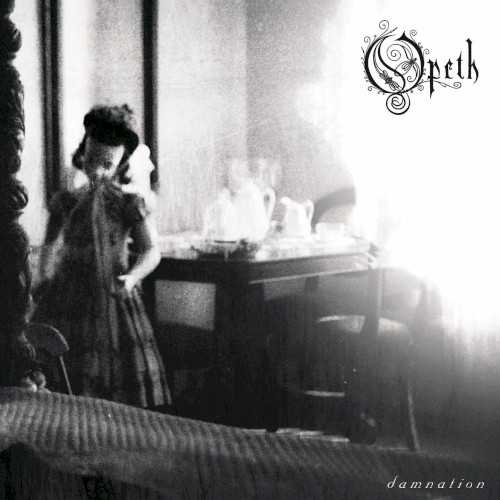 | Album: 7 of 23 Title: Damnation Released: 2003-04-07 Tracks: 8 Duration: 43:13 Scroll: Up Down Top Bottom 25% 50% 75% Spotify Allmusic AlbumCover | 1 Windowpane (07:43) 2 In My Time of Need (05:49) 3 Death Whispered a Lullaby (05:49) 4 Closure (05:15) 5 Hope Leaves (04:29) 6 To Rid the Disease (06:20) 7 Ending Credits (03:38) 8 Weakness (04:07) |
| Damnation : Allmusic album Review : Released in 2003, Damnation is easily the most radical departure of Opeths career. The companion piece to the previous years Deliverance set, to which it was originally inextricably married (before record company marketing men got their dirty little hands on them), the album is the first to explore the groups non-heavy metal-based songwriting both at length and exclusively. Since all of Opeths previous outings were specifically conceived for the express purpose of contrasting heavy and light, violent and delicate, black and white, such a uniform presentation would already be surprising enough, but perhaps even more astounding is the realization that Damnation cant even be termed a heavy metal album. This is because, except for very brief moments in the excellent "Closure," not a distorted power guitar chord, not a pounding bass drum, not a growled death vocal is to be found here -- only mellow, melancholy, deeply reflective numbers boasting melodic electric and acoustic guitars, the odd bit of piano and Mellotron (performed by the producer, Porcupine Trees Steve Wilson), and background string arrangements. Rather, alluringly mournful tracks like "Windowpane," "Death Whispered a Lullaby," "Hope Leaves," and "Ending Credits" are at once complex and supple. Relatively of short length by Opeth standards, they often resemble the short musical interludes separating the bands prevalent explosions of black metal fury and progressive rock excursions. Laid out in unnaturally fluid sequence here, these songs obviously fail to provide the striking, surprise-filled experience that longtime Opeth fans have grown accustomed to, but once the novelty sinks in, those fans will easily come to enjoy and recognize Damnation for the finely executed if unique chapter it represents. In fact, even traditional rock fans with no interest in heavy metal whatsoever are likely to appreciate Damnation for its beautifully assembled, reliably high-caliber songwriting -- its that good. As for devout metalheads seeking their first taste of Opeths usual, furiously metallic onslaught, they should start with the aforementioned Deliverance or perhaps 2000s Blackwater Park in order to get a more accurate glimpse of the Opeth theyve been reading about. Ideally, however, open-minded listeners will sample both Deliverance and Damnation in the manner intended in the first place: together, as dissimilar halves comprising an astoundingly inspired whole. | ||
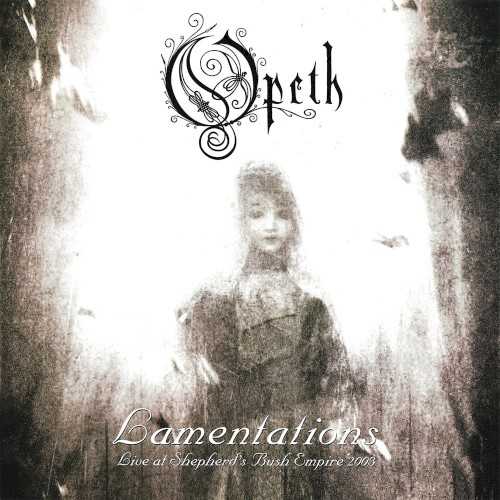 | Album: 8 of 23 Title: Lamentations: Live at Shepherds Bush Empire 2003 Released: 2003-11-24 Tracks: 14 Duration: 2:01:03 Scroll: Up Down Top Bottom 25% 50% 75% Wikipedia Allmusic AlbumCover | 1 Windowpane (10:50) 2 In My Time of Need (06:32) 3 Death Whispered a Lullaby (07:08) 4 Closure (09:45) 5 Hope Leaves (06:11) 6 To Rid the Disease (07:07) 7 Ending Credits (04:21) 8 Harvest (06:15) 9 Weakness (05:17) 1 Masters Apprentices (11:25) 2 The Drapery Falls (10:56) 3 Deliverance (12:34) 4 The Leper Affinity (11:01) 5 A Fair Judgement (11:37) |
| Lamentations: Live at Shepherd's Bush Empire 2003 : Allmusic album Review : Opeth will most likely be remembered for adding class and elegance to the typically foreboding and nasty death metal realm. The Swedish group also surprised many by crossing over from black T-shirt-clad punters to musicianly prog rockers thanks to simultaneously recorded sister albums Deliverance (2002) and Damnation (2003), the latter setting aside their trademark forward-thinking, highly dynamic Scandinavian death metal for graceful, melodic, and contemplative excursions. With Damnation deemed a one-time experiment for Opeth, it seems appropriate that Lamentations: Live at Shepherds Bush Empire documents a unique period in the bands evolution via a two-hour live show recorded in London, as well as an insightful 65-minute documentary, "The Making of Deliverance and Damnation." The live gig finds the band Jekyll-and-Hyde-ing through a two-hour set, split into mellow and beastly halves. The first is comprised almost completely of Damnations relatively delicate Porcupine Tree-inspired mood pieces, best illustrated by the dynamic crescendos of "Closure" and "Death Whispered a Lullaby," the Led Zeppelin/"No Quarter" Mellotron atmospherics of fragile number "Weakness," and instrumental "Ending Credits" (which vocalist/guitarist Mikael Akerfeldt describes to the crowd as a blatant Camel rip-off -- a reference perhaps lost on the theater-full of metal worshippers). While the quieter songs lack the hair-whipping immediacy of Opeths more aggressive material, Akerfeldt, whose melodic vocal abilities shine on such material, appropriately explains the bands M.O. while introducing "To Rid the Disease": "Just because its slightly mellow doesnt mean its less evil." Viewing the two-hour show as a whole, however, one realizes Opeth is simply building tension (or impatience?) for the crowd-pleasing, jagged Swedish ice shards to come: Five expansive and stunningly masterful extreme-metal epics, including the inventive, wallop-packing riffery of "The Drapery Falls" and "Deliverance"; Akerfeldt telling the crowd that such songs are "what we really sound like" -- although the group disappointingly delves no deeper into its catalog than 2001s Blackwater Park. While the group isnt exactly the most visually engaging live band, their lack of gimmickry and intense focus on the music are refreshing, and the live shows overall production keeps Lamentations from being a needlessly arid, two-hour sit-a-thon -- mostly thanks to the anamorphic widescreen presentation, extraordinary 5.1 Dolby digital surround mix, and intimate camera angles (although the Akerfeldt "orifice cam" gives a few too many close-ups of the vocalists oral and nasal cavities). The documentary, as the title implies, chronicles Opeths 2002 recording sessions; disappointingly, the film only brushes the surface of the groups stress-filled studio time -- they faced massive technical difficulties and ended up switching studios mid-way through -- but offers plenty of in-depth, equal-time interviews with all the bandmembers and producer Steven Wilson, touching on writing, recording, and influences. Certainly, only the most diehard Opeth-ateers will appreciate the documentary footage, but as an overall capturing-the-moment-type document, Lamentations as a whole serves only to increase ones appreciation for the bands diverse and unparalleled combination of death metal, unwieldy, ambitious prog, and earthy folk -- and exemplifying exactly why Opeth stands head and shoulders above most of its Scandinavian peers when it comes to creativity, musicianship, and intelligence. | ||
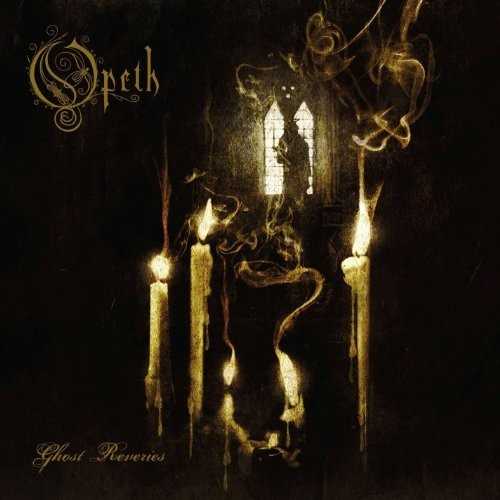 | Album: 9 of 23 Title: Ghost Reveries Released: 2005-08-26 Tracks: 9 Duration: 1:10:17 Scroll: Up Down Top Bottom 25% 50% 75% Spotify TrackSamples Wikipedia Allmusic AlbumCover | 1 Ghost of Perdition (10:29) 2 The Baying of the Hounds (10:41) 3 Beneath the Mire (07:57) 4 Atonement / Reverie (06:28) 5 Harlequin Forest (11:39) 6 Hours of Wealth (05:20) 7 The Grand Conjuration (10:21) 8 Isolation Years (03:51) 9 Soldier of Fortune (03:28) |
| Ghost Reveries : Allmusic album Review : Stockholms most unpredictable metallic sons Opeth have offered another step on their dark journey into the Maelstrom that combines progressive sonics, and acoustic and electric instrumentation, all the while extrapolating on their now-trademark brand of death metal. Stepping aside from the malevolent acoustic elegance of 2003s Damnation without abandoning the textural advances, Ghost Reveries is a tour de force of creativity, power, and innovation. Alternately melodic and brutal, the album takes the bands progressive acumen to a new level while never abandoning the crunch. Vocalist, guitarist, and lyricist Mikael Åkerfeldt has become a complete poet of the dark side. With bandmates Per Wiberg on keyboards, drummer Martin Lopez, guitarist Peter Lindgren, and bassist Martin Mendez, Åkerfeldt has forged ahead into a vein of this music that moves it further forward while embracing not only elements of the bands foundational past, but also elements from the annals of heavy metal. The sheer, harsh, tragic beauty of Ghost Reveries reveals it as more a hunted album than a haunted one. The opener "Ghost of Perdition" is layered with heartbreakingly lyrical beauty -- amidst its crack and burn -- with vocals either sung poetically or growled from the depths of the ravages of the human throat: "In time the hissing of her sanity/Faded out her voice and soiled her name/And like marked pages in a diary/Everything seemed that is unstained/The incoherent talk of ordinary days/Why would we really need to live/Decide what is clear and whats within a haze/What you should take and what to give...." The guitars, electric and acoustic, intertwining and winding around one another with quick figures, move the melody into the labyrinthine "Reverie/Harlequin Forest," that goes on for over 11 minutes while its tales of sickness and tenderness rub against one another and become one tortured being. Justification and easy moral judgments become futile, reflections of painful memory and dislocation are taut, walking a rusty razor wire as propulsive drums and crackling guitars carry the singer into his desolation. Ultimately, Ghost Reveries comes together like a suite, characters have various faces and traits, but they are all reflections in a mirror that retains no permanent image. This album is a culmination of everything Opeth have worked toward throughout their career. Its fully realized, stunningly beautiful, and emotionally fragmented; its a terrain where power, tenderness, and sheer grief hold forth under heavy manners. Awesome. | ||
 | Album: 10 of 23 Title: Collector’s Edition Slipcase Released: 2006-10-31 Tracks: 36 Duration: 4:53:20 Scroll: Up Down Top Bottom 25% 50% 75% Wikipedia AlbumCover | 1 The Leper Affinity (10:23) 2 Bleak (09:15) 3 Harvest (06:01) 4 The Drapery Falls (10:53) 5 Dirge for November (07:53) 6 The Funeral Portrait (08:44) 7 Patterns in the Ivy (01:52) 8 Blackwater Park (12:08) 1 Wreath (11:10) 2 Deliverance (13:36) 3 A Fair Judgement (10:24) 4 For Absent Friends (02:17) 5 Master’s Apprentices (10:32) 6 By the Pain I See in Others (13:50) 1 Windowpane (07:43) 2 In My Time of Need (05:49) 3 Death Whispered a Lullaby (05:49) 4 Closure (05:15) 5 Hope Leaves (04:29) 6 To Rid the Disease (06:20) 7 Ending Credits (03:38) 8 Weakness (04:07) 1 Windowpane (10:50) 2 In My Time of Need (06:32) 3 Death Whispered a Lullaby (07:08) 4 Closure (09:45) 5 Hope Leaves (06:11) 6 To Rid the Disease (07:07) 7 Ending Credits (04:21) 8 Harvest (06:15) 9 Weakness (05:17) 1 Masters Apprentices (11:25) 2 The Drapery Falls (10:56) 3 Deliverance (12:34) 4 The Leper Affinity (11:01) 5 A Fair Judgement (11:37) |
 | Album: 11 of 23 Title: Blackwater Park / Deliverance Released: 2007-09-17 Tracks: 14 Duration: 2:09:02 Scroll: Up Down Top Bottom 25% 50% 75% Allmusic AlbumCover | 1 The Leper Affinity (10:23) 2 Bleak (09:15) 3 Harvest (06:01) 4 The Drapery Falls (10:53) 5 Dirge for November (07:53) 6 The Funeral Portrait (08:44) 7 Patterns in the Ivy (01:52) 8 Blackwater Park (12:08) 1 Wreath (11:10) 2 Deliverance (13:36) 3 A Fair Judgement (10:24) 4 For Absent Friends (02:17) 5 Master’s Apprentices (10:32) 6 By the Pain I See in Others (13:50) |
| Blackwater Park / Deliverance : Allmusic album Review : This two-fer from Sony includes Swedish progressive/black metal outfit Opeths 2001 opus Blackwater Park and even better follow-up Deliverance. Both records dutifully represent the internationally popular group at the top of its game, making it a great library addition for anyone with an ear for metal, whatever skull-crushing subgenre they lean toward. | ||
 | Album: 12 of 23 Title: The Roundhouse Tapes Released: 2007-10-29 Tracks: 9 Duration: 1:36:13 Scroll: Up Down Top Bottom 25% 50% 75% Spotify Wikipedia Allmusic AlbumCover | 1 When (10:28) 2 Ghost of Perdition (10:56) 3 Under the Weeping Moon (10:27) 4 Bleak (08:39) 5 Face of Melinda (09:57) 6 The Night and the Silent Water (10:28) 1 Windowpane (08:01) 2 Blackwater Park (18:59) 3 Demon of the Fall (08:13) |
| The Roundhouse Tapes : Allmusic album Review : Though Opeth have officially signed with Roadrunner, this double-live disc was released by former label Peaceville. This is welcome, because the bands first live offering, the DVD-only Lamentations: Live at Shepherds Bush, was not able to focus on the first four recordings due to contractual problems. Apparently, this is worked out here, because all of the bands recordings are represented. That said, The Roundhouse Tapes, recorded at Camden Roundhouse, London, U.K., on November 9, 2006, is a double-disc set that captures this mighty band at their very best. The tour that Opeth undertook in support of Ghost Reveries was 18 months long; it began in June of 2005, and ended December 2006. They played 210 shows during that time. Given that this gig was near the end of the tour, it showcases the band at the zenith of their live powers. They run through not only GR material but across their entire career, digging deep into their history -- that includes a 19-minute version of "Blackwater Park" on disc two. The sound is tremendous; guitarist and lead vocalist Mikael Äkerfeldt is in excellent voice throughout. His engagement with the crowd and his sense of humor are wonderfully dry and welcoming. Unlike a lot of other acts, Opeth really seem to enjoy their fans, and as a result never need to pander to them as is evidenced by this righteous slab. The sheer subtlety of some of the bands quieter moment (is there any other heavy metal group that controls and uses dynamics as much as these guys?) is almost stunning when equated with the sheer intensity of their attack on the harder edges, as in the long middle section of "Ghost of Perdition." The only confounding thing here is the odd time total for the package: an hour and a half. They certainly played longer gigs on this tour. But the length, and the sometimes thin presence of the deeply atmospheric keyboards are the only down points. As a whole, the sound is clean and Äkerfeldts vocals, even in full Cookie Monster mode, are discernible and easily understood, and the guitar interplay between Peter Lindgren and Äkerfeldt is downright intuitive and uncanny. (This was apparently Lindgrens last appearance with Opeth as he officially left in the summer of 2007). There is one more added treat on this document, which is the inclusion of Popol Vuhs "Through Pains to Heaven" as a lengthy interlude in the middle of "Under the Weeping Moon." Opeths fans -- both hardcore and somewhat casual -- will want this. It captures of the most enigmatic metal bands at their very best. | ||
 | Album: 13 of 23 Title: Watershed Released: 2008-05-28 Tracks: 8 Duration: 1:01:26 Scroll: Up Down Top Bottom 25% 50% 75% Spotify TrackSamples Wikipedia Allmusic AlbumCover | 1 Coil (03:10) 2 Heir Apparent (08:50) 3 The Lotus Eater (08:50) 4 Burden (07:41) 5 Porcelain Heart (08:00) 6 Hessian Peel (11:25) 7 Hex Omega (07:00) 8 Derelict Herds (06:27) |
| Watershed : Allmusic album Review : After album (or "observation," as the band likes to call them) number eight -- Ghost Reveries -- Opeth could have very easily coasted, merely rehashing their sound. Instead, they opted to challenge themselves and their listeners, creating an album that can -- at times -- expose its true nature and scope slowly and -- at other times -- be jarring, as if it were turning itself inside out. Opeth take chances that many bands in the same situation would be too scared to have a go at. Its hard to say if the recent membership changes affected bandleader Mikael Åkerfeldts writing and production, or if he was enjoying his trip down classic rock (see: Deep Purple) lane. For whatever reason, Watershed is a new benchmark for Opeth. The tricky part is pointing out that while Watershed is a fantastic record, one that takes chances while remaining totally metal (dude), it feels less like a complete statement than a preview for something even greater. After the pastoral introduction of "Coil," Opeth move into pummeling mode with "Heir Apparent." Its one of the few tracks here to feature growling death metal vocals. But it is track three where Opeth really take the listener by the ear and twist. Theres a gently humming prologue, then "The Lotus Eater" becomes a slab of blastbeats iced with clean vocals that -- as with many Opeth tunes -- takes a "break" two-thirds of the way through, only to take one hell of a left turn out of nowhere. The tune doesnt just go back to heavy riffage, but explores a prog metal, psychedelic organ quasi-freakout that touches on pure jazz. "Burden," arguably the strongest of the classicist tunes on Watershed (closely followed by "Hessian Peel"), is lush and grandiose. Its the moment on this collection where the listener realizes how incredibly talented this band is. And if the songs themselves arent enough, the structures and fade-outs on some of them are. An example: "Burden"s gentle guitar outro is deconstructed by someone manually detuning Åkerfeldts guitar as he plays. Another: "Lotus Eater"s Dark Side of the Moon-esque "voices in your head" send-off. These add more depth to an album that surprises continually, even after repeated listens. Sure, there are some (sort of) weak moments -- "Porcelain Heart" seems a bit mainstream, and "Hex Omega," while a stunning closer, has insanely tough competition as a standout from the other six tracks. Essentially, Opeths perceived weaknesses would be pivotal moments for any other band. This is a band that has managed to get exponentially better with each release, taking amazing chances and managing to not only win new fans, but not alienate older ones. A perfect blend of the death metal of Still Life, Blackwater Park, and My Arms, Your Hearse, the monolithic riffage of Deliverance and Ghost Reveries, and the prog/classicism of Damnation combined with classic Deep Purple, Pink Floyd, and Scorpions, Watershed marks a new chapter for Opeth, one that promises infinitely more than its predecessors. | ||
 | Album: 14 of 23 Title: The Candlelight Years Released: 2008-06-28 Tracks: 25 Duration: 3:29:16 Scroll: Up Down Top Bottom 25% 50% 75% Spotify Allmusic AlbumCover | 1 In Mist She Was Standing (14:09) 2 Under the Weeping Moon (09:52) 3 Silhouette (03:07) 4 Forest of October (13:05) 1 The Twilight Is My Robe (11:01) 2 Requiem (01:11) 3 The Apostle in Triumph (13:01) 4 Into the Frost of Winter (06:20) 1 Advent (13:44) 2 The Night and the Silent Water (10:59) 3 Nectar (10:09) 1 Black Rose Immortal (20:14) 2 To Bid You Farewell (10:54) 3 Eternal Soul Torture (08:35) 1 Prologue (00:59) 2 April Ethereal (08:41) 3 When (09:14) 4 Madrigal (01:26) 5 The Amen Corner (08:43) 6 Demon of the Fall (06:13) 1 Credence (05:26) 2 Karma (07:50) 3 Epilogue (04:02) 4 Circle of the Tyrants (05:12) 5 Remember Tomorrow (04:59) |
| The Candlelight Years : Allmusic album Review : Collecting their early work into a three-disc compilation, The Candlelight Years revisits the formative years of quintessential death metal band Opeth. Consisting of Orchid (1995), Morningrise (1996), and My Arms, Your Hearse (1998), the set shows the band as they worked to find their sound, hinting at the band that would eventually release the ground breaking Blackwater Park just a few years later. Definitely a great place to start for anyone interested in observing Opeths development during their embryonic years. | ||
 | Album: 15 of 23 Title: In Live Concert at the Royal Albert Hall Released: 2010-09-17 Tracks: 16 Duration: 2:45:24 Scroll: Up Down Top Bottom 25% 50% 75% Spotify Wikipedia Allmusic AlbumCover | 1 The Leper Affinity (10:07) 2 Bleak (08:53) 3 Harvest (06:10) 4 The Drapery Falls (10:07) 5 Dirge for November (08:28) 6 The Funeral Portrait (08:21) 7 Patterns in the Ivy (02:24) 8 Blackwater Park (12:32) 1 Forest of October (17:13) 2 Advent (15:03) 3 April Ethereal (10:22) 4 The Moor (12:12) 1 Wreath (12:25) 2 Hope Leaves (06:48) 3 Harlequin Forest (13:11) 4 The Lotus Eater (11:08) |
| In Live Concert at the Royal Albert Hall : Allmusic album Review : While In Live Concert at the Royal Albert Hall may not be Opeth’s only live album, it’s certainly their classiest. Recorded at the famous London venue, the live album features the Swedish progressive death metal masters masterfully executing a nearly three-hour set. Most notable about the live set is that Opeth chose to kick it off by performing Blackwater Park, their artistic breakthrough, in its entirety. With an amazingly tight performance and a sparklingly clear recording, In Live Concert at the Royal Albert Hall is an easy addition for metal fans. If you’ve ever wanted to hear the quintessential death metal band at work live, it won’t get any more convenient than this. | ||
 | Album: 16 of 23 Title: The Devil’s Orchard: Live at Rock Hard Festival 2009 Released: 2011-08 Tracks: 7 Duration: 1:02:09 Scroll: Up Down Top Bottom 25% 50% 75% AlbumCover | 1 The Devil’s Orchard (06:40) 2 Intro (01:13) 3 Heir Apparent (09:18) 4 Ghost of Perdition (11:32) 5 The Leper Affinity (08:56) 6 Hessian Peel (11:30) 7 Deliverance (13:00) |
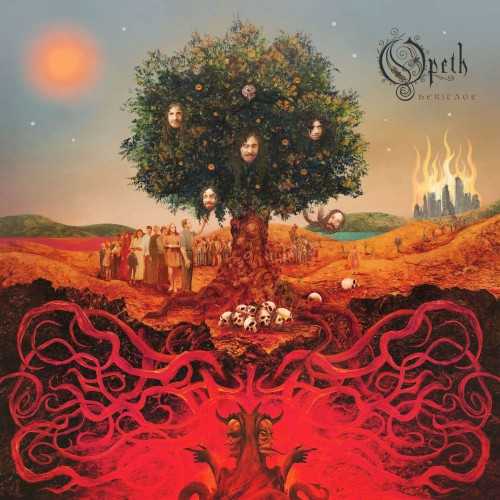 | Album: 17 of 23 Title: Heritage Released: 2011-09-14 Tracks: 10 Duration: 57:05 Scroll: Up Down Top Bottom 25% 50% 75% Spotify Allmusic AlbumCover | 1 Heritage (02:05) 2 The Devil’s Orchard (06:40) 3 I Feel the Dark (06:40) 4 Slither (04:03) 5 Nepenthe (05:40) 6 Häxprocess (06:58) 7 Famine (08:32) 8 The Lines in My Hand (03:49) 9 Folklore (08:19) 10 Marrow of the Earth (04:19) |
| Heritage : Allmusic album Review : Heritage, Opeths tenth studio offering, finds the Swedish band abandoning death metal: no growled vocals, no blistering fast power riffs, no blastbeats. Mixed by Steven Wilson (Porcupine Tree, King Crimson) and engineered by Janne Hansson, Heritage is easily Opeths most musically adventurous -- and indulgent -- recording. Written primarily by vocalist/guitarist Mikael Åkerfeldt, these ten songs are drenched in instrumental interludes, knotty key and chord changes, shifting time signatures, clean vocals, and a keyboard-heavy instrumentation that includes Mellotrons, Rhodes pianos, and Hammond organs -- ironic since keyboardist Per Wiberg left the band after Heritage was completed. Opening with the title track, a haunting solo piano instrumental, it careens into the explosive "The Devils Orchard," with spectacular, arpeggiatic guitar work by Fredrik Åkesson and matching drums by Martin Axenrot. With a huge, swirling B-3 in the backdrop, it melds progressive metal to prog rock, with Åkerfeldts clear, clean singing. "I Feel the Dark" marries Åkerfeldts classical guitar to piano, flute, a droning Martin Mendez bassline, and double-timed, quietly tense drum kit work. "Slither" sounds like Motörhead meeting early-70s Deep Purple. "Nepenthe" begins as a ballad but shifts toward jazz-rock in the instrumental break before finding its way back to a middle ground with sparse instrumentation and taut dynamics. "Haxprogress" draws real inspiration from early King Crimson; Mellotrons and nylon-string guitars give way to Åkerfeldts crooning, thundering basslines, and syncopated drums. At eight-and-a-half minutes, "Famine" is the albums most abstract cut, with guest Alex Acuña adding Latin percussion to the mix, creating spaciousness in a long intro before giving way to colliding prog rock at the seam where King Crimsons "Larks Tongues in Aspic, Pt. 2" meets Jethro Tulls "Thick as a Brick." "The Lines in My Hand" is the sets most aggressive cut, with a deeply satisfying guitar crunch. "Folklore," with its myriad instrumental and vocal parts, complex melody, and breakbeats, comes off as an eight-minute suite before closing with another jazz- and folk-inflected instrumental entitled "Marrow of the Earth." Love it or hate it, Heritage, for its many excesses and sometimes blurry focus, is a brave album. It opens the door for Opeth to pursue many new directions and reinvent themselves as a band. | ||
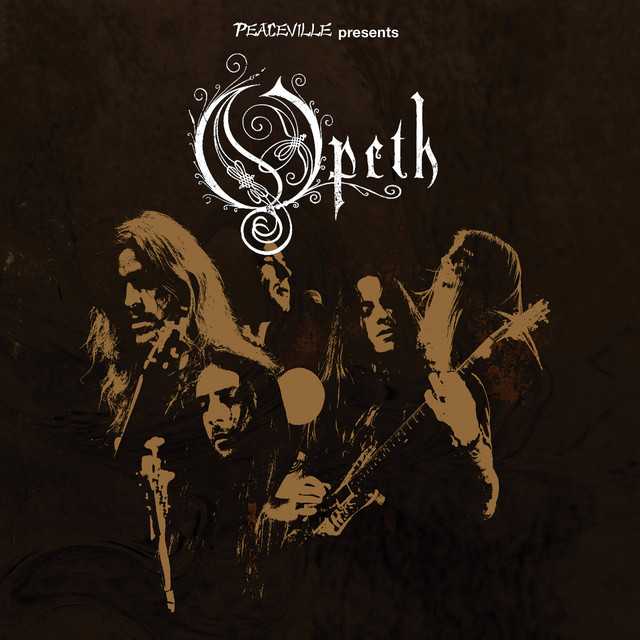 | Album: 18 of 23 Title: Peaceville Presents… Opeth Released: 2013-05-20 Tracks: 5 Duration: 47:38 Scroll: Up Down Top Bottom 25% 50% 75% Spotify AlbumCover | 1 The Moor (11:26) 2 Moonlapse Vertigo (09:00) 3 Ghost of Perdition (10:56) 4 Windowpane (08:01) 5 Demon of the Fall (08:13) |
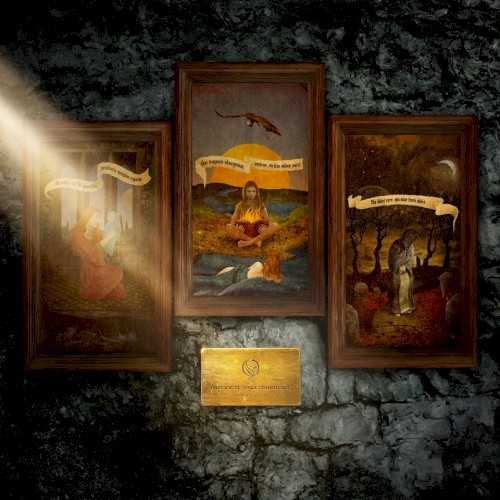 | Album: 19 of 23 Title: Pale Communion Released: 2014-06-17 Tracks: 10 Duration: 1:10:18 Scroll: Up Down Top Bottom 25% 50% 75% Spotify Allmusic AlbumCover | 1 Eternal Rains Will Come (06:43) 2 Cusp of Eternity (05:36) 3 Moon Above, Sun Below (10:53) 4 Elysian Woes (04:48) 5 Goblin (04:34) 6 River (07:33) 7 Voice of Treason (08:00) 8 Faith in Others (07:41) 9 Atonement (08:13) 10 Demon of the Fall (06:13) |
| Pale Communion : Allmusic album Review : When Opeth released Heritage in 2011 -- the wonderfully indulgent, somewhat unfocused exercise in prog rock aesthetics -- some longstanding fans were offended because the band had abandoned death metal. Truthfully, they had been exploring prog in fits and starts since 2005s Ghost Reveries. Pale Communion completes the transition, proving that Heritage was not only a next step, but a new beginning altogether. Vocalist, songwriter, and guitarist Mikael Åkerfeldt has obviously been listening to loads of prog in the interim -- ELPs debut, Deep Purples In Rock, early King Crimson and Eloy, National Health, U.K., Bill Brufords early solo work, Pär Lindh, and even jazz fusion. Produced by the singer and mixed by Steven Wilson, Pale Communion states its ambitions outright. Opener "Eternal Rains Will Come" explodes with knotty, labyrinthine organ (from new keyboardist Joakim Svalberg) and Martin Axenrots skittering, propulsive drums. Åkerfeldts and Fredrik Åkessons serpentine yet raucous guitars and Martín Méndezs fat, humming bassline kick in immediately thereafter. They all stop on a dime to be replaced by flute and acoustic piano. After another few moments, they return to establish the songs vamp and melody. Åkerfeldts multi-tracked vocals dont enter until three minutes in, then give way to a dazzling finish provided by a guitar solo and massive swathes of organ and Mellotron. Lead single "Cusp of Eternity" employs repetitive metal guitar and bass riffs, while the modal melody suggests Middle Eastern origins. "Moon Above, Sun Below" is the sets hinge piece and longest track. It contains no less than five sections in nearly 11 minutes. These are introduced variously by samples of Tibetan thigh-bone trumpet and vibraphones, as well as acoustic guitars, Rhodes piano, thundering organ, anthemic electric guitars atop cracking rim shots, kick drum, and a forceful bassline that creates dynamic textural passages illustrating the rage, loss, and acceptance in Åkerfeldts lyrics. "Goblin" is an instrumental, a tightrope walk between hard rock and jazz fusion, and its among the finest things here. This is countered by "River," with rich, multi-layered vocal harmonies, 12-string, piano, glistening cymbal, and snare, highlighted by a melodic electric guitar solo à la Argus-era Wishbone Ash. The metallic syncopation in "Voice of Treason" is dramatic with Eastern interludes via the primary instruments, painted by Mellotron as Åkerfeldt soars. The first half of closer "Faith in Others" is instrumentally sparse; it begins reaching for the skies about halfway through, but gets dialed back to allow the gorgeous melody prominence. Pale Communion is more focused and refined than Heritage. Though they readily display numerous musical influences here, ultimately Opeth sound like no one but themselves. This set is a massive leap forward, not only in terms of style but also in its instrumental and performance acumen; it is nearly unlimited in its creativity. | ||
 | Album: 20 of 23 Title: Deliverance & Damnation Released: 2015-10-30 Tracks: 14 Duration: 1:45:10 Scroll: Up Down Top Bottom 25% 50% 75% Spotify Allmusic AlbumCover | 1 Wreath (11:10) 2 Deliverance (13:36) 3 A Fair Judgement (10:23) 4 For Absent Friends (02:17) 5 Master’s Apprentices (10:32) 6 By the Pain I See in Others (13:50) 1 Windowpane (07:45) 2 In My Time of Need (05:48) 3 Death Whispered a Lullaby (05:50) 4 Closure (05:15) 5 Hope Leaves (04:29) 6 To Rid the Disease (06:19) 7 Ending Credits (03:39) 8 Weakness (04:13) |
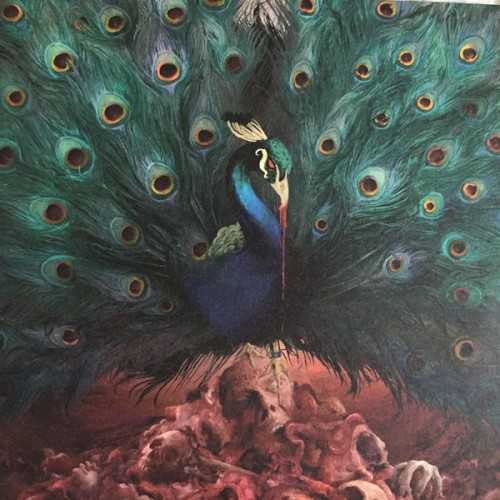 | Album: 21 of 23 Title: Sorceress Released: 2016-09-30 Tracks: 16 Duration: 1:30:18 Scroll: Up Down Top Bottom 25% 50% 75% Spotify Wikipedia Allmusic AlbumCover | 1 Persephone (01:51) 2 Sorceress (05:49) 3 The Wilde Flowers (06:49) 4 Will o the Wisp (05:07) 5 Chrysalis (07:16) 6 Sorceress 2 (03:49) 7 The Seventh Sojourn (05:29) 8 Strange Brew (08:44) 9 A Fleeting Glance (05:06) 10 Era (05:41) 11 Persephone (Slight Return) (00:54) 1 The Ward (03:13) 2 Spring MCMLXXIV (06:11) 3 Cusp of Eternity (05:44) 4 The Drapery Falls (10:23) 5 Voice of Treason (08:10) |
| Sorceress : Allmusic album Review : When Opeth released Heritage in 2011, they had completed the transformation from their death metal origins through progressive death metal in the early 2000s, to full-on prog rock that celebrated their love of Camel, Jethro Tull, ELP, and more. 2014s excellent Pale Communion furthered those notions as frontman and songwriter Mikael Åkerfeldts own vision began to emerge. Sorceress is the third installment in this phase of the bands career, and while considerably different and more exploratory than its precursors, it also references Opeths earlier efforts like Ghost Reveries and Blackwater Park, but goes further than either in its diversity. Uncharacteristically, Åkerfeldt wrote the album quickly. He enlisted Tom Dalgety as co-producer (who also engineered and mixed) and Opeth recorded it in twelve days at Rockfield Studios in Wales. Sorceress is a madly assorted mixed bag. Åkerfeldts inspirations this time out may still recall prog sources, but there are heavier ones, too: Black Sabbath and the Ritchie Blackmore/Jon Lord-era of Deep Purple. Opener "Persephone" has a brief nylon-string guitar sketch in waltz time that could have come from folk music antiquity. It gives way to the title track and first single. Joakim Svalbergs knotty organ riff dominates the opening moment before a crushing syncopated guitar riff joins in. This track somewhat recalls the Pale Communion sessions but is far more unhinged. The Geezer Butler-esque bassline and explosive kick drums make it the most accessible thing here -- its instrumental section keeps it firmly in prog terrain, however. "The Wilde Flowers" is a truly wild melange of musical styles. Its simultaneously heavy, hard, and spacy, with B-3, bluesy and squalling metal guitar breaks, and chorale vocals that drift in the center, weighting it as a solidly prog track. The bludgeoning guitar riff, up-mixed, swinging drums, and punishing bassline in "Chrysalis" make it a highlight; it shines with Åkerfeldts finest vocal performance on the album (he can be notoriously lazy). There are lovely acoustic tracks here, too, such as "Will O the Wisp," which exists in the space between Pentangles Basket of Light and Led Zeppelin III. "The Seventh Sojourn" melds East Indian drone with North African modalism and exotic hand percussion; strings and keyboards eclipse an oud-like guitar line. It eventually dissembles, wedding near classical polyphony to subdued pop. "Strange Brew" winds through Peter Gabriel-era Genesis-esque ponderousness before a bluesy guitar line ushers it into thundering King Crimson-esque prog adorned with proto-metal riffs and vamps. "A Fleeting Glance" is a dynamic, multifaceted jam showcasing Åkerfeldts sophisticated melodic sensibilities while touching on musical terrain from Pink Floyd and Gentle Giant to post-Village Green-era Kinks! "Era" opens with a delicate piano intro but Opeth erupts a minute later in melodic aggression. Åkerfeldts more confident and individualized songwriting on Sorceress takes it in some dizzying directions. While it goes further musically than their two previous outings, it contains enough of the past to exist in a space that carves out terrain somewhere between Watershed and Heritage. Brilliant. | ||
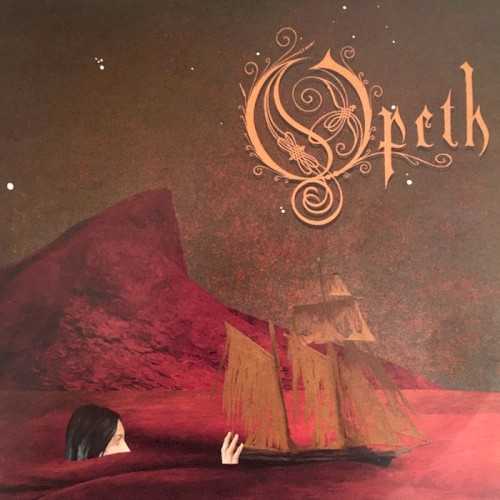 | Album: 22 of 23 Title: Opeth / Enslaved Released: 2017-10-06 Tracks: 6 Duration: 1:00:16 Scroll: Up Down Top Bottom 25% 50% 75% AlbumCover | 1 Eternal Rains Will Come (06:55) 2 Demon of the Fall (07:47) 3 The Devils Orchard (08:07) 4 The Grand Conjuration (13:29) 5 Deliverance (13:51) 6 Storm Son (video edit) (10:07) |
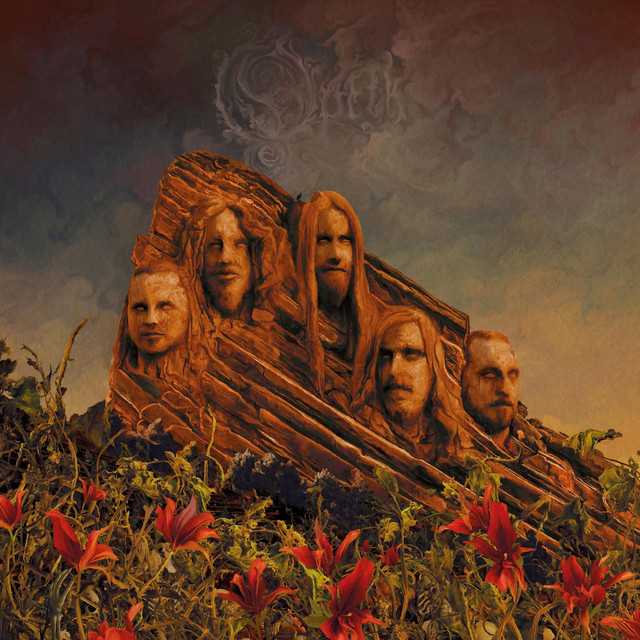 | Album: 23 of 23 Title: Garden of the Titans: Opeth Live at Red Rocks Amphitheatre Released: 2018-11-02 Tracks: 10 Duration: 1:28:06 Scroll: Up Down Top Bottom 25% 50% 75% Allmusic AlbumCover | 1 Sorceress (07:09) 2 Ghost of Perdition (12:08) 3 Demon of the Fall (09:55) 4 The Wilde Flowers (08:42) 5 In My Time of Need (05:44) 1 The Devil’s Orchard (07:10) 2 Cusp of Eternity (05:14) 3 Heir Apparent (10:21) 4 Era (07:30) 5 Deliverance (14:13) |